Process Instability Inside Metal Fabrication Plants
Why do Quality, Startups, and Maintenance Rarely Feel Settled?
When speed drops to stay safe, something else usually follows.
Not all at once.
Not loudly.
Stability doesn’t disappear in a single event.
It erodes through small adjustments, workarounds, and compensations that slowly become normal.
In this Corvex Connected Quick Take we look at the instability that creeps into metal fabrication operations — the kind that doesn’t trigger alarms but steadily increases stress, scrap, and rework,
and fatigue across the plant.
Quality Drift in Metal Fabrication Processes
Why does Scrap Appear Without Obvious Cause?
The part was good an hour ago.
Now it isn’t.
Nothing obvious changed.
No program edits. No setup changes.
And yet — adjustments start creeping in.
Quality issues like this feel random, but they’re not. They’re slow.
They show up after speed has already been reduced. After operators have learned how to “work around” the machine. After stability became something you manage instead of something you have.
This is where many plants mistake adjustments for control.
If quality only holds when operators are constantly adjusting, the process was never actually stable to begin with.
It was being propped up.
True stability means the process holds without constant intervention.
Without someone “watching it closely.”
To stop drift, metal manufacturers have to look upstream — at what’s changing before defects appear, not just the defects themselves.
Once drift becomes normal, another weakness usually shows itself quickly.
Unstable Startups and Changeovers in Metal Plants
Why are the First Parts Rarely Trusted?
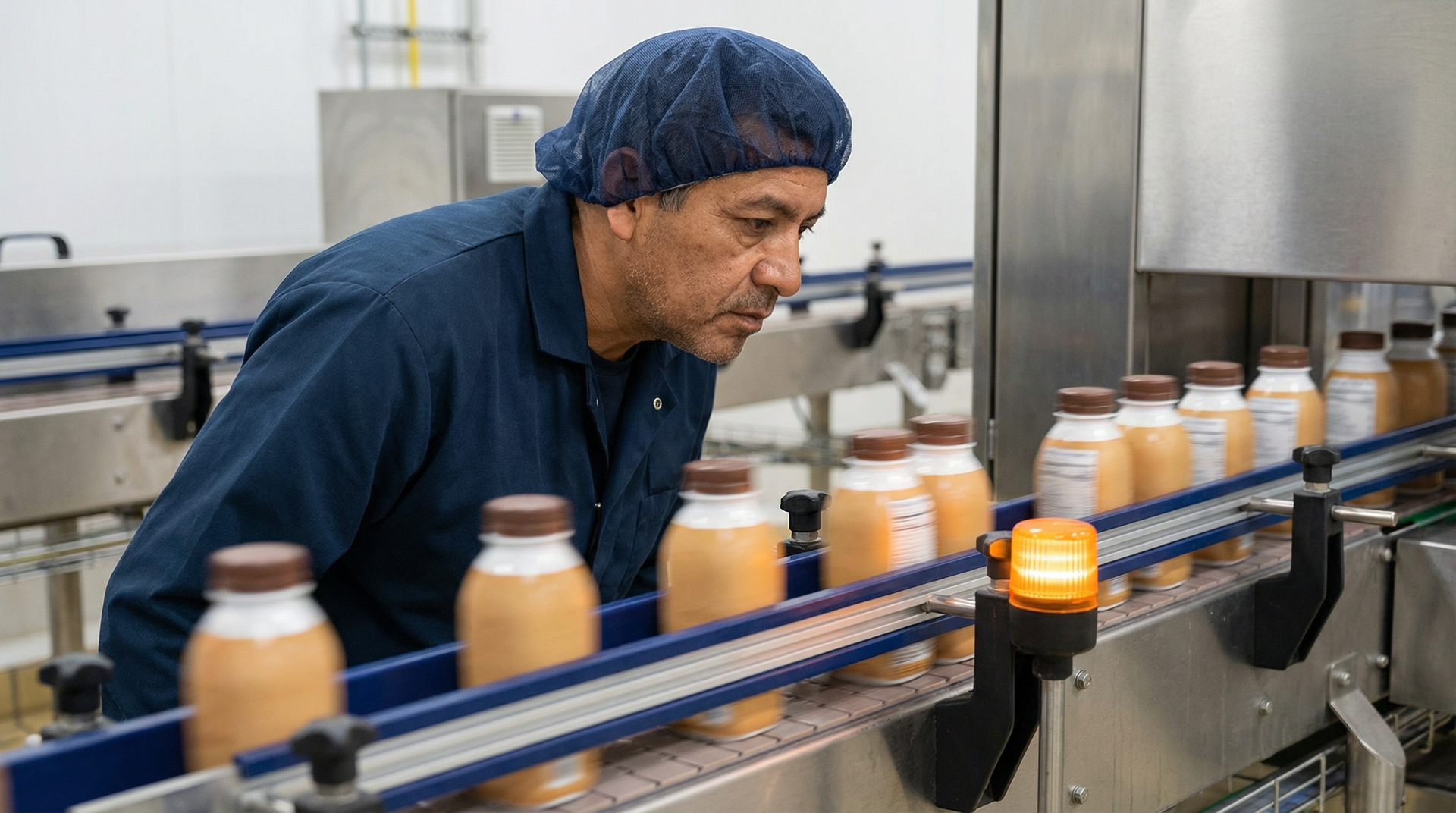
You know the feeling when a line comes back up — but no one relaxes yet.
The first parts aren’t trusted.
Adjustments pile up.
Everyone waits to see what breaks or drifts before declaring it “stable.”
Startups expose whether process stability actually exists — or was just assumed.
Total Productive Maintenance (TPM) removes guesswork from startups by defining what “ready” actually means. Standard startup and changeover procedures ensure machines are clean, lubricated, aligned, and verified before running at speed.
Training reduces dependence on tribal knowledge. Planned Maintenance ensures equipment doesn’t start the shift… already compromised.
Repeatable startups depend on repeatable verification, not memory or experience.
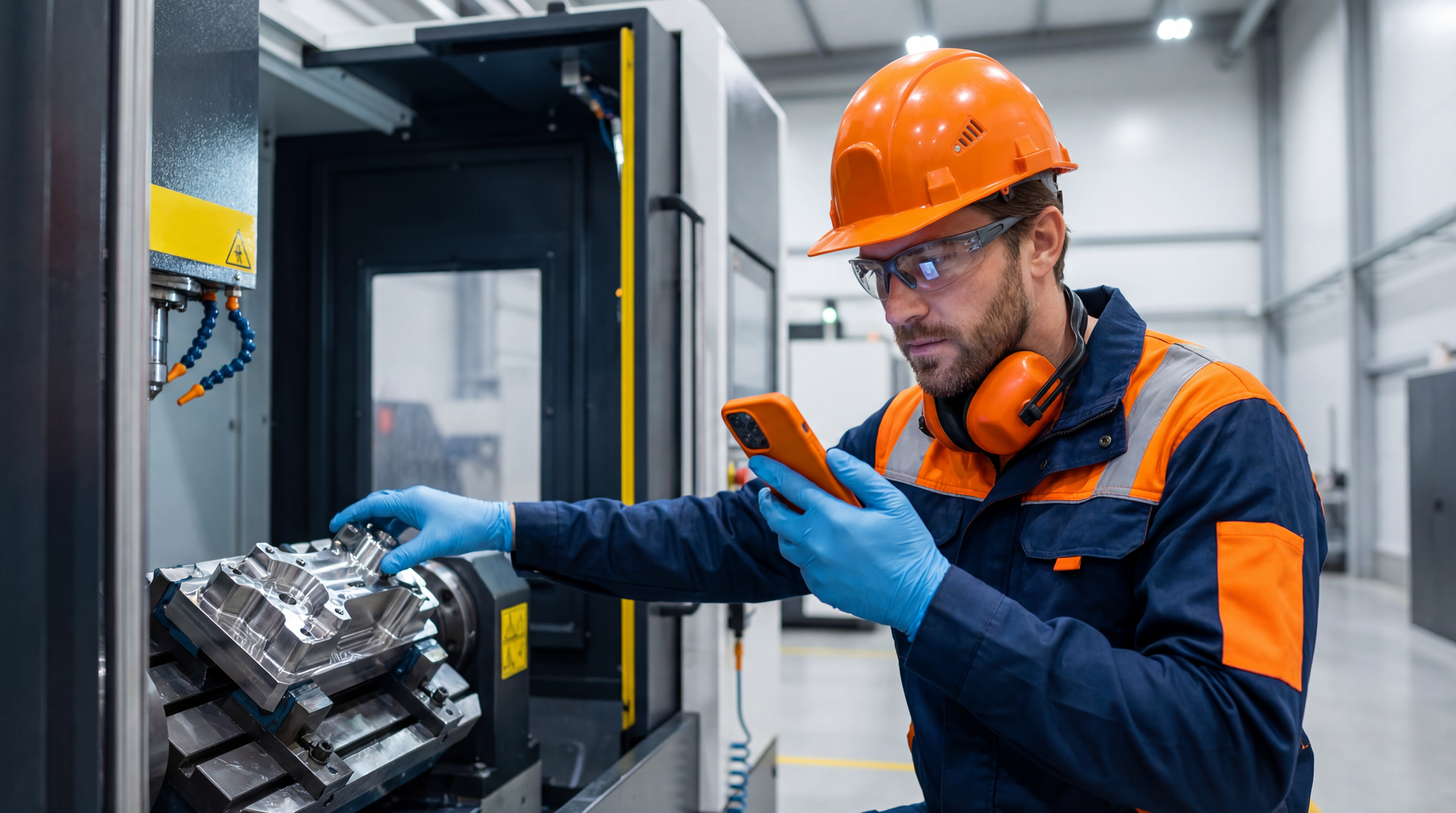
Workforce technology ensures startups aren’t dependent on memory or heroics.
Known-good conditions are verified, not assumed — making every startup predictable, repeatable, and far less stressful.
And when startups are unstable, the pressure almost always lands in the same place.
Maintenance Firefighting in Metal Fabrication
Why are Maintenance Teams so Busy - Without Eliminating Failures?
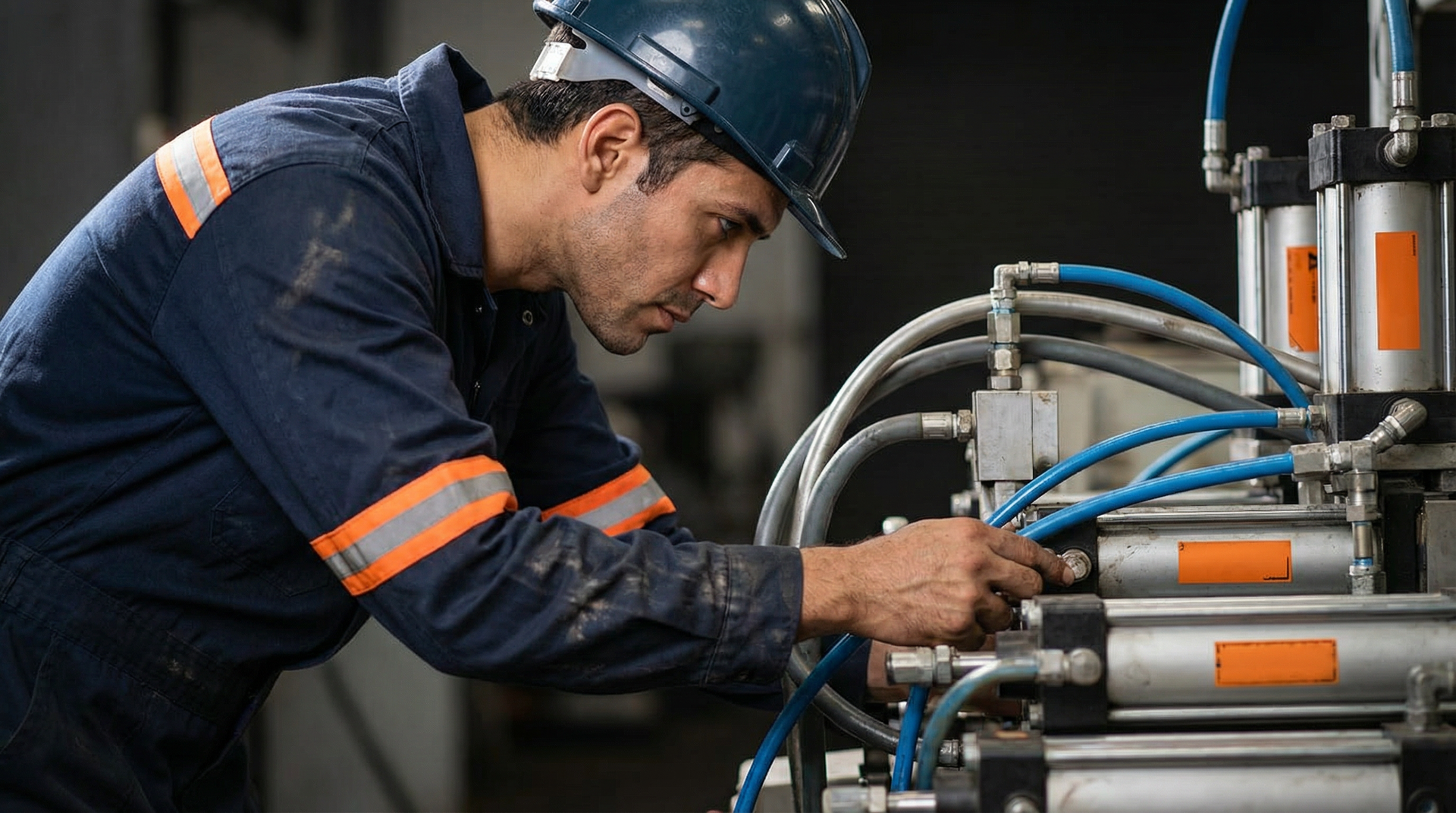
Maintenance never stops moving.
PMs. Breakdowns. Emergency calls. Parts runs. Late nights.
And yet — the same failures keep coming back.
At this point, many metal manufacturers confuse effort with effectiveness.
TPM shifts maintenance from activity to effectiveness. Planned Maintenance focuses on preventing failure, not just responding to it. Work is standardized so the same job is done the same way every time.
Focused Improvement
attacks the causes of repeat work, eliminating entire categories of failure instead of chasing symptoms. Over time, emergency work decreases — not because people work harder, but because fewer things break.
Still, small problems only get solved if they’re consistently visible across shifts and teams.
But discipline alone doesn’t hold if learning never sticks.
And sustaining a shift requires more than good intentions.
When maintenance teams are supported by technology that captures failure patterns and reinforces standard work, effort finally translates into lasting improvement.
And the same problems stop returning in new forms.
Quality drift. Stressful startups. A maintenance team stuck in permanent firefighting mode.
That’s not bad luck — that’s instability doing exactly what instability does.
When everything technically “works” but nothing ever feels settled, the system is telling you something.
How much longer does your plant keep compensating — adjusting, slowing down, reacting — instead of stabilizing the conditions that create these problems in the first place?
Most plants never see all the ways capacity is leaking each shift.
They feel it — in missed targets, constant adjustment, and teams stretched thin — but they rarely see it clearly.
If you want to understand where production capacity is quietly being lost inside your operation, request:
The 7 Hidden Capacity Drains in Metal Fabrication — and How Top Plants Reduce Them
It breaks down the losses that don’t show up as downtime, why they persist, and what high-performing plants do differently to control them.
The question isn’t whether these drains exist in your plant.
It’s whether you’re ready to finally make them visible.
And that’s your Corvex Connected Workforce Quick Take!
Contact Corvex
Connect Your Workforce Today
Contact Us