Why do Metal Fabrication Problems Keep Repeating?
What It Takes to Finally Break the Cycle?
Every metal fabrication plant benefits from key operators who notice problems early.
In this Corvex Connected Quick Take we look at what happens when problem signals fade — and why that’s when risk, incidents, and repeat failures accelerate.
Missed Early Warning Signs on the Shop Floor
How does Operator Knowledge Gets Lost?
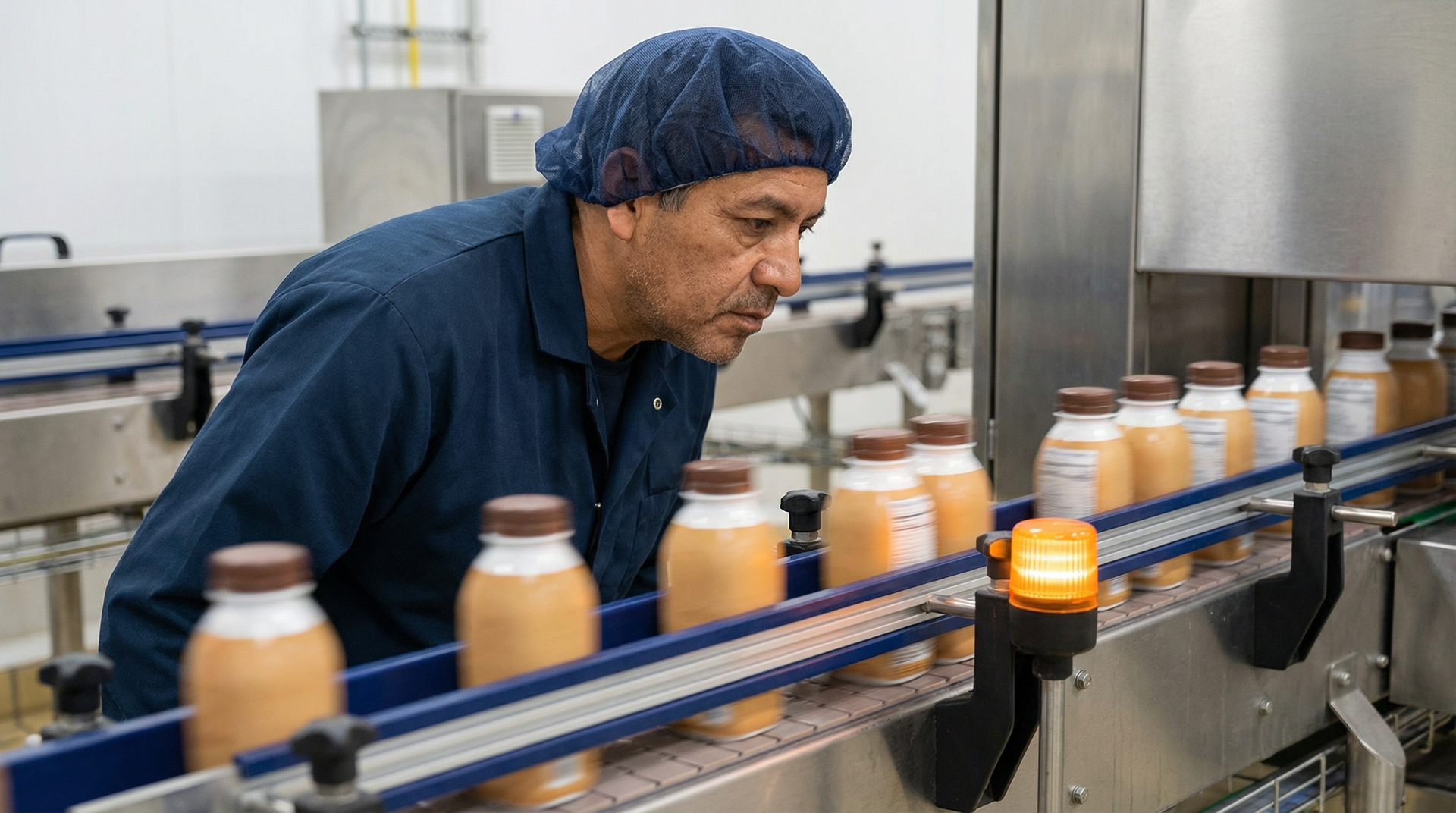
Operators hear it first.
Feel it first.
Smell it first.
The machine still runs — but it doesn’t feel right.
At first, those warnings get mentioned.
A comment at shift change. A note in passing. A quiet heads-up. But when nothing breaks right away, the noise becomes familiar.
The vibration becomes “normal.”
The smell becomes part of the process.
And eventually, operators stop pointing out issues at all.
When this happens, metal manufacturers lose their earliest detection system.
That’s when the plant loses its earliest warning system — without even realizing it.
Safety and Environmental Risk in Metal Fabrication
How does Equipment Degradation Turn Into Incidents?
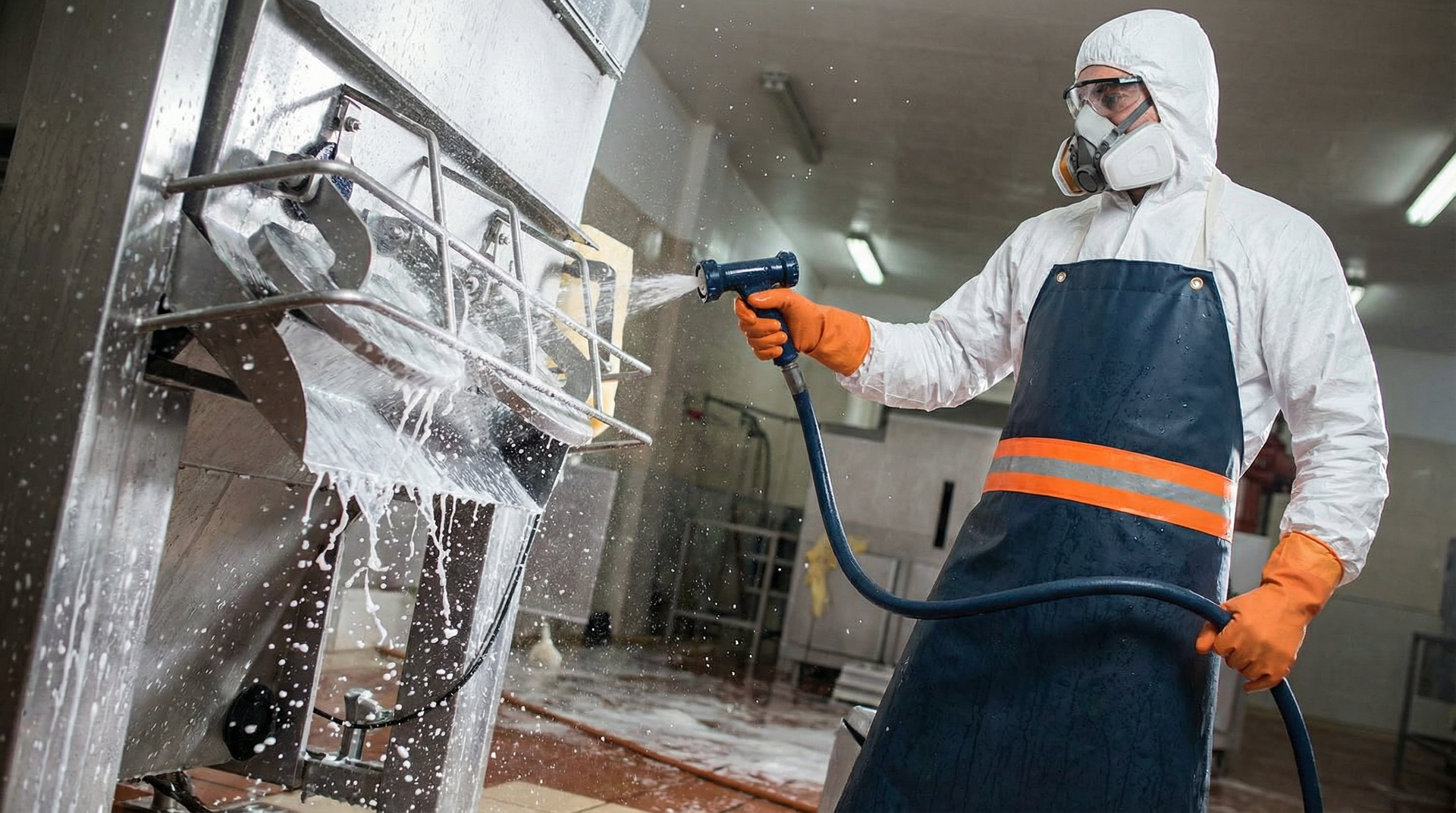
Very few safety incidents come out of nowhere.
They build slowly.
A small oil leak becomes a slick.
A nuisance guard gets bypassed.
Safety failures often begin as maintenance and condition failures.
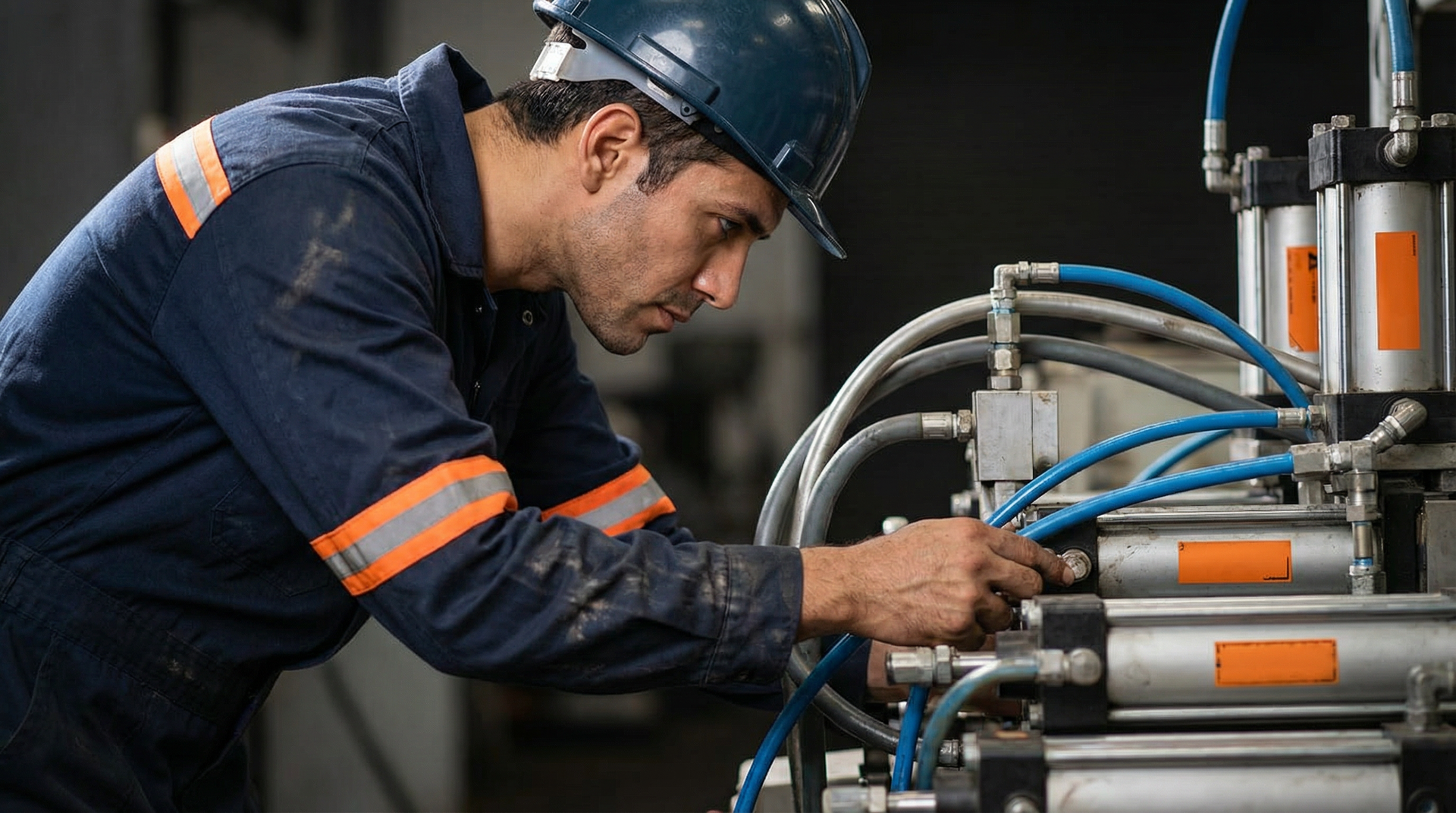
Total Productive Maintenance (TPM) treats safety risks as equipment condition problems. Through Autonomous and Planned Maintenance, hazards like leaks, overheating, degraded guarding, and dust buildup are addressed at the source.
Sustained safety depends on daily verification, not periodic audits.
With the right workforce technology, reinforcing condition checks and accountability, risks are addressed before they escalate.
When Fabrication Data Doesn’t Match Reality
Why do Reports Miss What’s Really Happening on the Floor?
The reports say one thing.
The floor feels like another.
Downtime gets lumped together.
Minor stops disappear.
At this stage, metal manufacturers are often flying blind without realizing it.
TPM relies on clear loss definitions and visibility. OEE thinking separates downtime, speed loss, and quality loss so teams know where capacity is really going.
But visibility only works if the data reflects reality.
Workforce technology bridges the gap between reports and reality by capturing what actually happens on the floor. Losses become visible, patterns emerge, and decisions are finally grounded in facts instead of frustration.
Repeat Failures in Metal Fabrication Plants
Why do the Problems You “Fixed” Keep Coming Back?
At some point, every plant manager asks: “Didn’t we already fix this?”
This is the moment where most improvement efforts quietly stall.
TPM is built around sustainability. Improvements aren’t considered complete until they’re standardized, verified, and reinforced through daily work.
Focused Improvement removes causes permanently. Standardization locks gains in place. Continuous verification prevents backsliding.
When improvement becomes part of daily execution, problems stop returning.
The right workforce technology makes improvement stick by embedding it into how work actually gets done.
Repeat failures. Fading warnings. Rising risk. Data you don’t fully trust.
These aren’t isolated issues — they’re what happens when improvement isn’t reinforced every day.
At some point, effort stops being the problem.
Visibility does.
So the real question is simple: are you managing metal fabrication problems — or finally ready to make them stop coming back?
Most metal fabrication plants don’t keep repeating problems because they lack effort or expertise.
They repeat them because signals fade, learning disappears, and improvement never fully sticks.
If you want to understand why the same issues keep coming back — and what high-performing plants do
differently to stop that cycle — request:
The 7 Hidden Capacity Drains in Metal Fabrication — and How Top Plants Reduce Them
It shows how missed signals, incomplete fixes, and invisible losses quietly reset improvement efforts — and how top plants reinforce learning so problems don’t return in new forms.
The question isn’t whether your plant works hard to improve.
It’s whether your improvement actually survives the next shift.
And that’s your Corvex Connected Workforce Quick Take!
Contact Corvex
Connect Your Workforce Today
Contact Us