Hidden Speed and Capacity Losses Inside Metal Fabrication Plants
Why do Machines Rarely Run at Their Designed Throughput?
On paper, your equipment can run faster.
In reality, no one lets it.
Speed gets dialed back to protect quality.
To avoid jams.
To keep things stable.
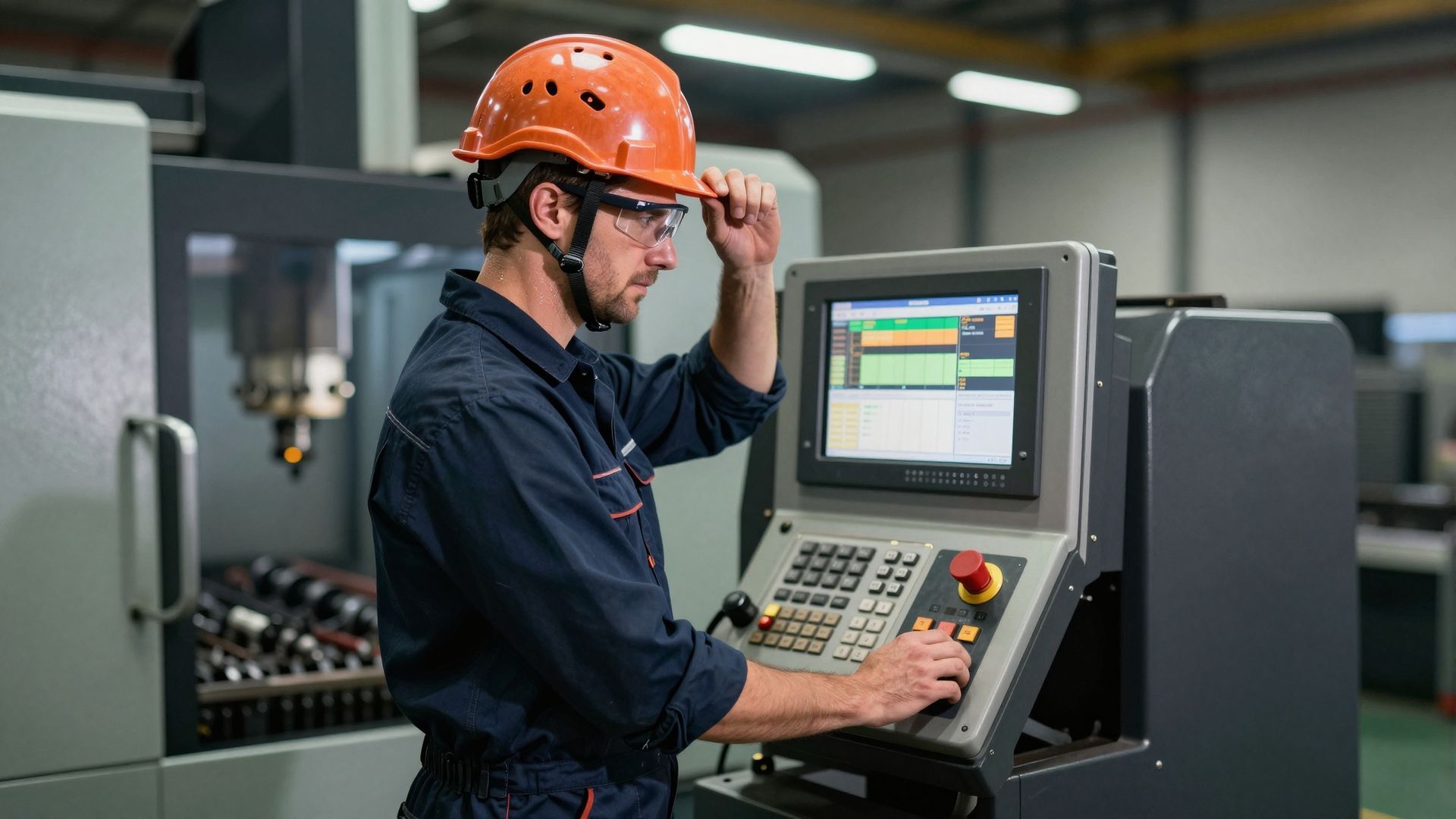
In this Corvex Connected Quick Take we look at how Operators learn exactly how far they can push before something goes wrong.
Over time, that reduced speed becomes the new normal.
Not because it’s optimal.
Because it’s safe.
At this stage, many plants start asking whether speed loss is really a choice — or a symptom.
TPM reframes speed loss as a symptom, not a decision
Most speed limits exist because machines can’t be trusted — not because they’re incapable. But predictability doesn’t come from individual judgment.
It comes from shared visibility.
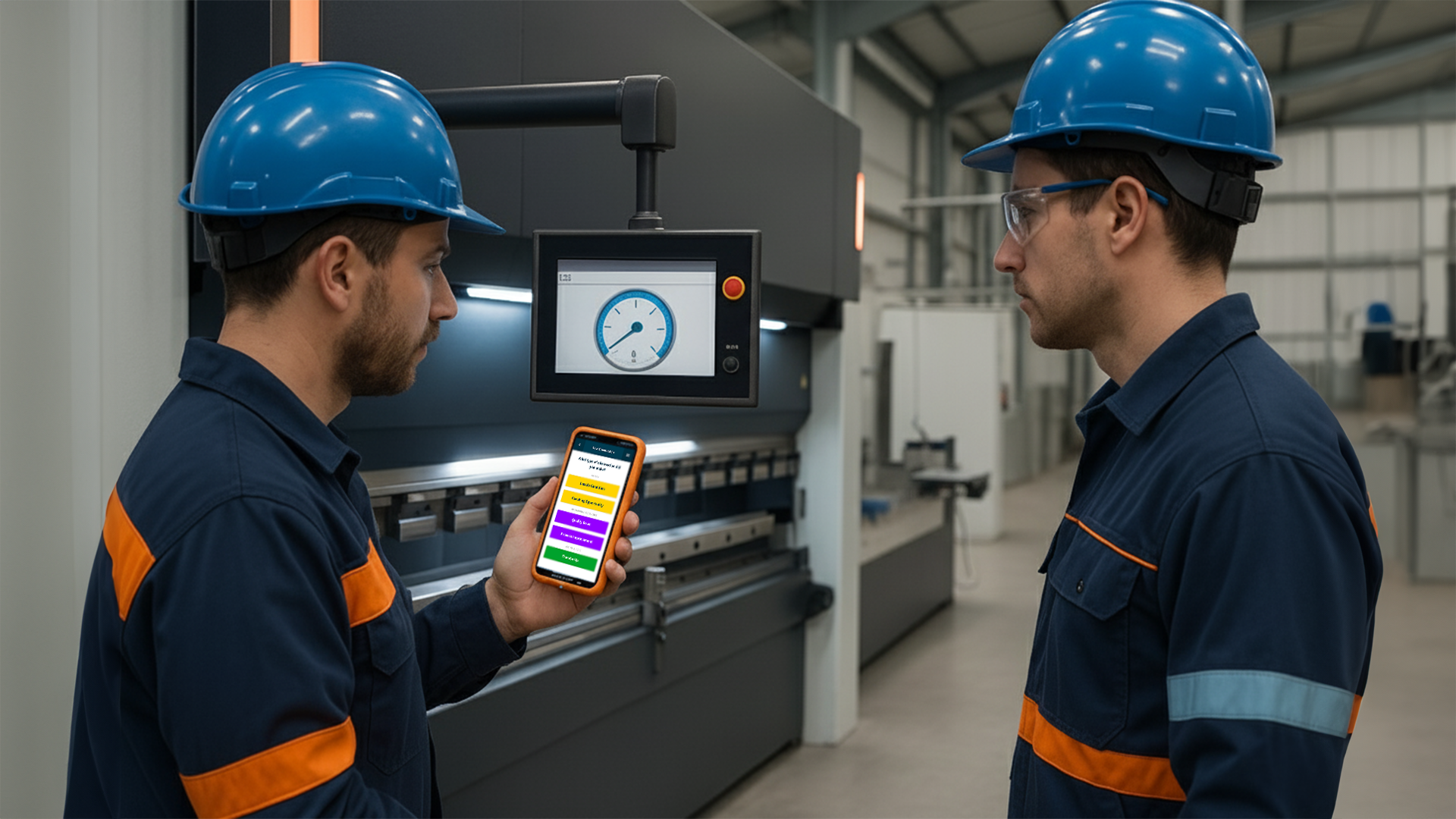
When teams know the machine is healthy — and can prove it — speed stops feeling risky and starts feeling repeatable. Operators don’t have to guess. Supervisors don’t have to negotiate. Maintenance doesn’t have to stand by “just in case.”
Confidence replaces caution.
Unplanned downtime. Constant resets. Slower-than-designed equipment.
These aren’t separate problems — they’re the daily reality of metal fabrication plants that are reacting instead of seeing issues early.
Most plants don’t accept these losses consciously.
They inherit them.
Normalize them.
Then explain them away as “part of the job.”
The real question isn’t whether these losses exist in your plant.
It’s how long you’re willing to keep explaining them as “just part of the job.”
If you could actually see where capacity is being lost — every shift, every machine — would you still accept today’s output as the best you can do?
Most plants never see all the ways capacity is leaking each day.
They feel it — in missed targets, constant adjustment, and stretched teams — but they rarely see it clearly.
If you want to understand where production capacity is quietly being lost inside your operation, request:
The 7 Hidden Capacity Drains in Metal Fabrication — and How Top Plants Reduce Them
It breaks down the losses that don’t show up as downtime, why they persist, and what high-performing plants do differently to control them.
The question isn’t whether these drains exist in your plant.
It’s whether you’re ready to finally make them visible.
And that’s your Corvex Connected Workforce Quick Take!
Contact Corvex
Connect Your Workforce Today
Contact Us