How does Autonomous Maintenance Improve Equipment Reliability & Reduce Downtime?
Whether you’re operating waterjet cutters in aerospace manufacturing or CNC machining centers in metalworking, the following Autonomous Maintenance guidance will provide actionable insights to transform your operations.
The Role of Autonomous Maintenance in Equipment Reliability
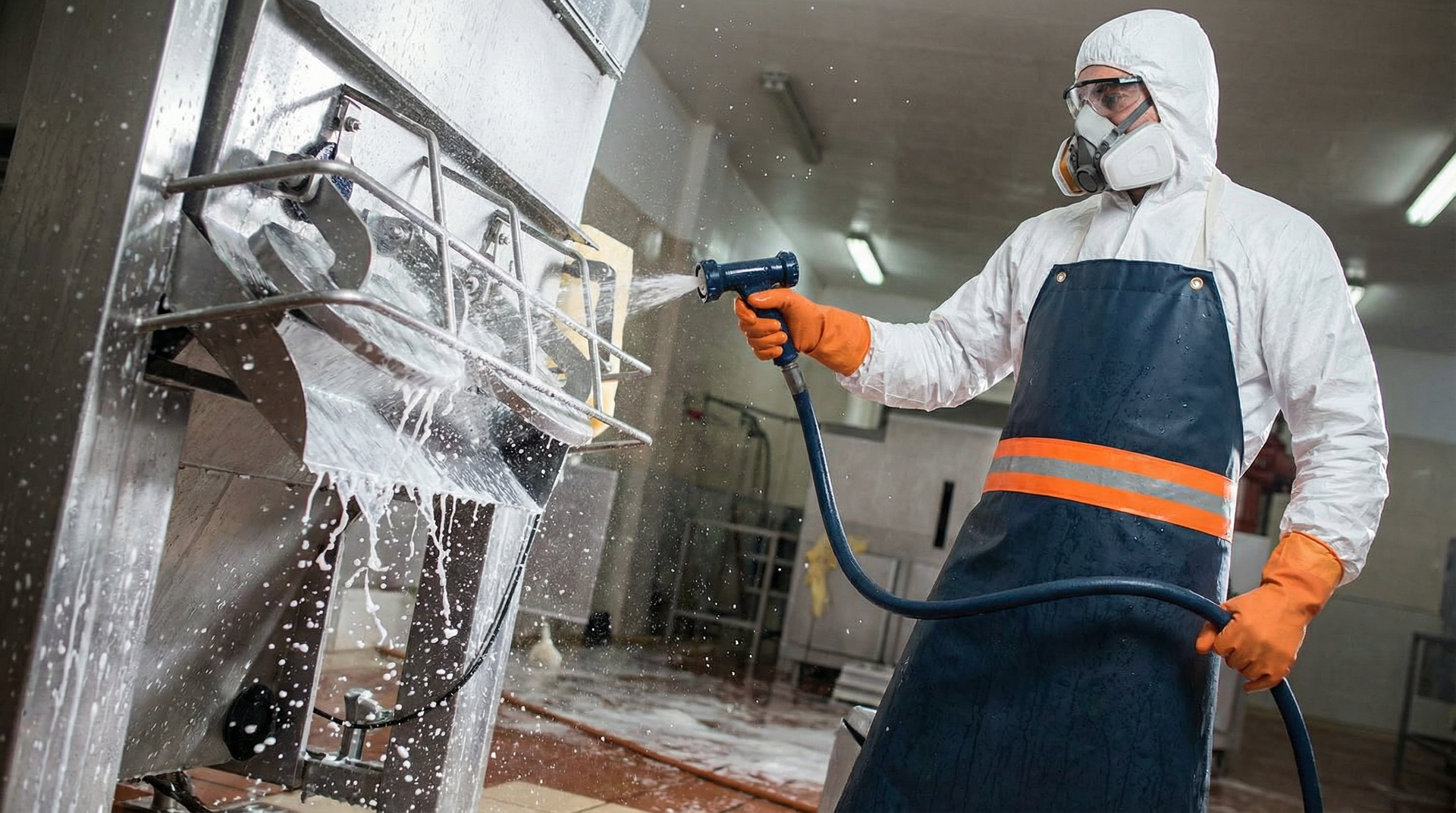
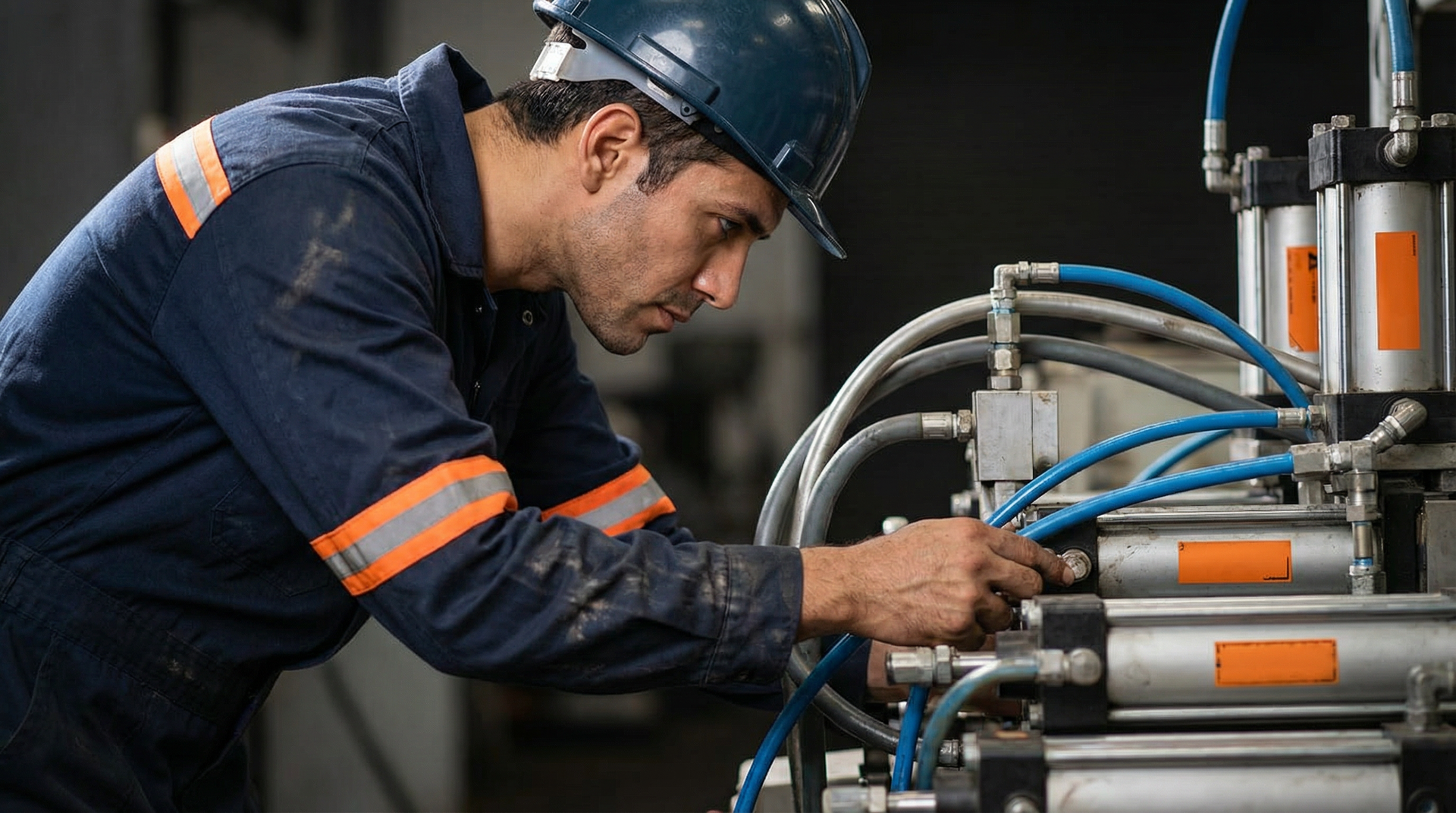
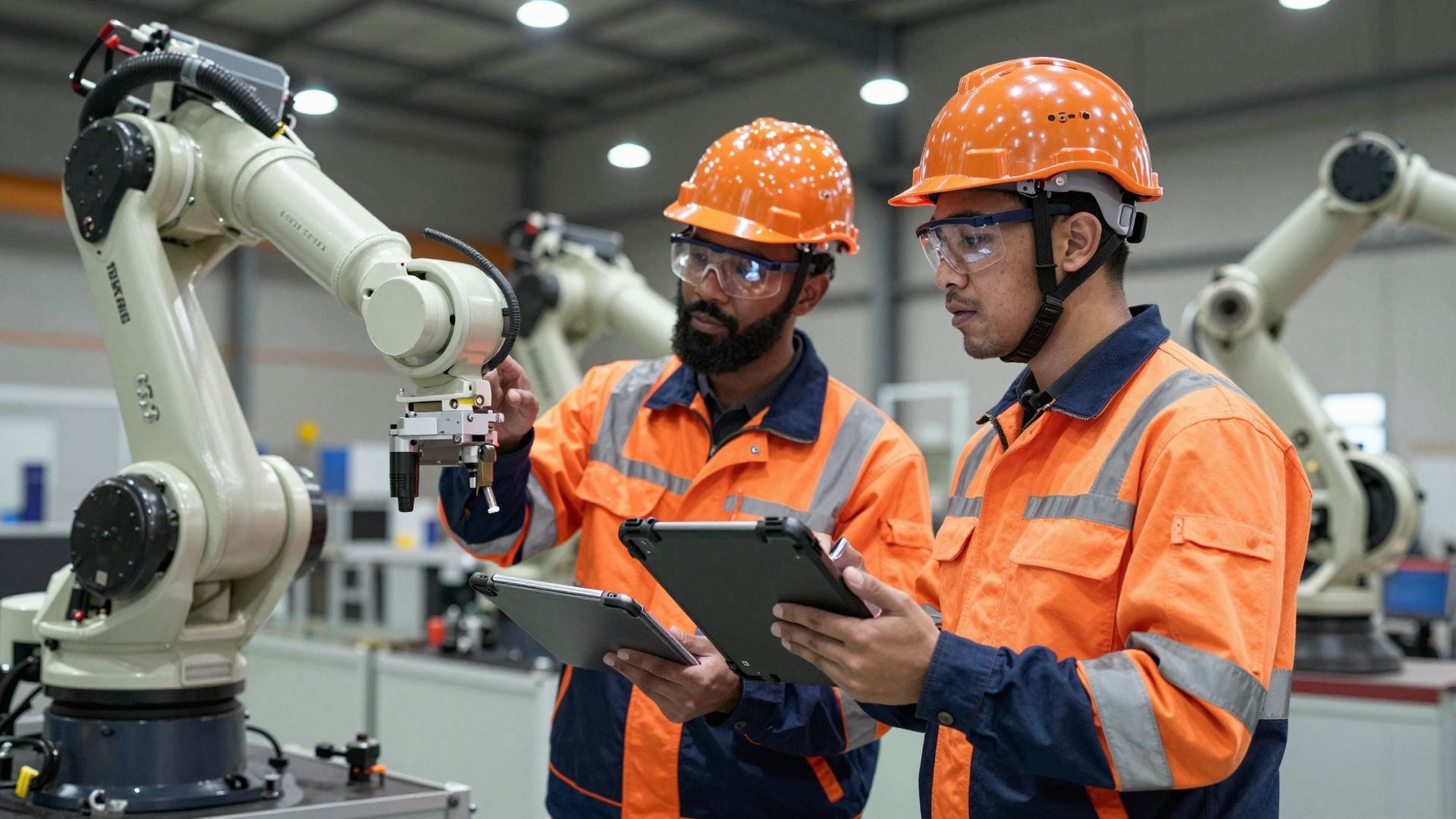
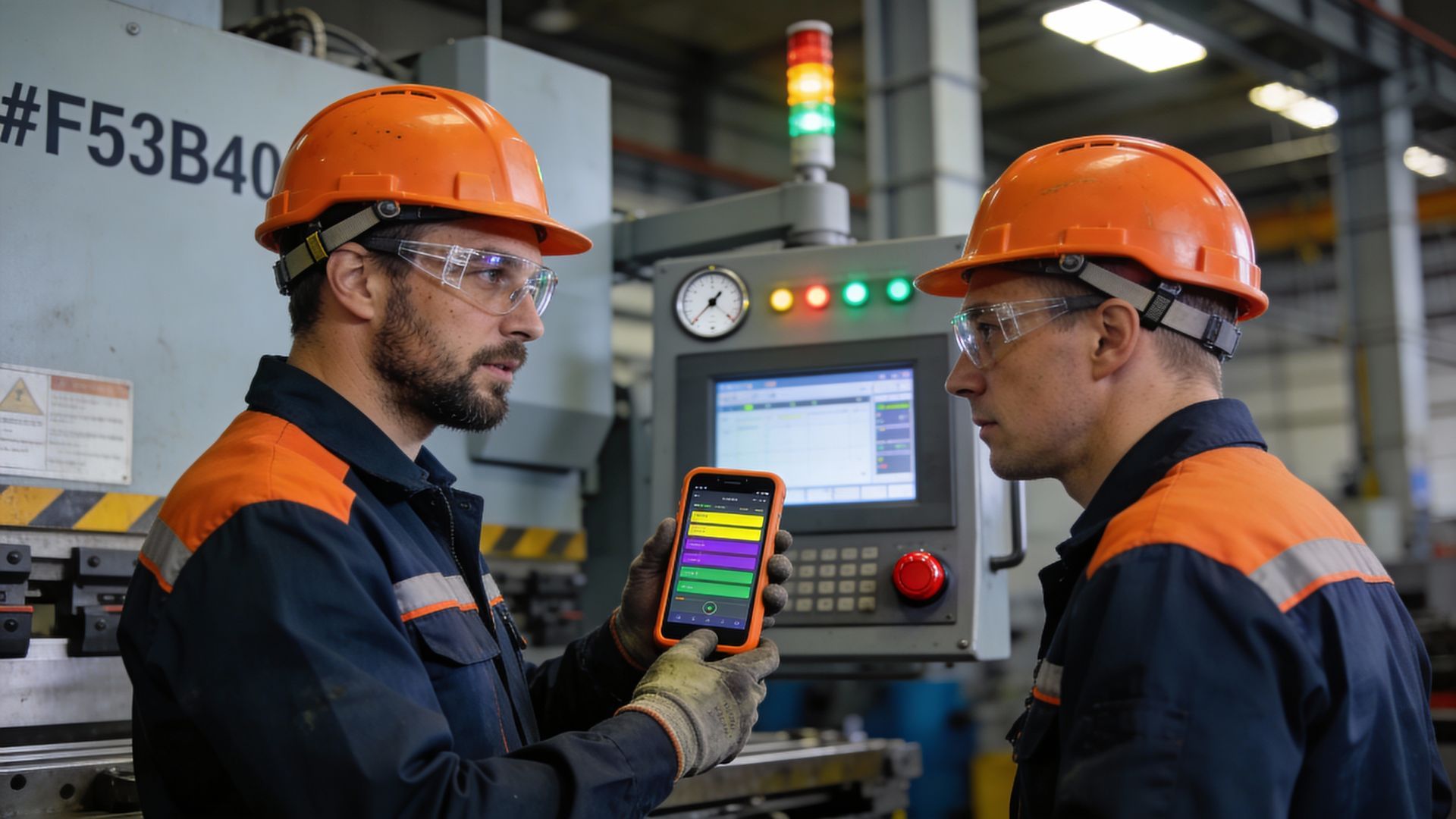
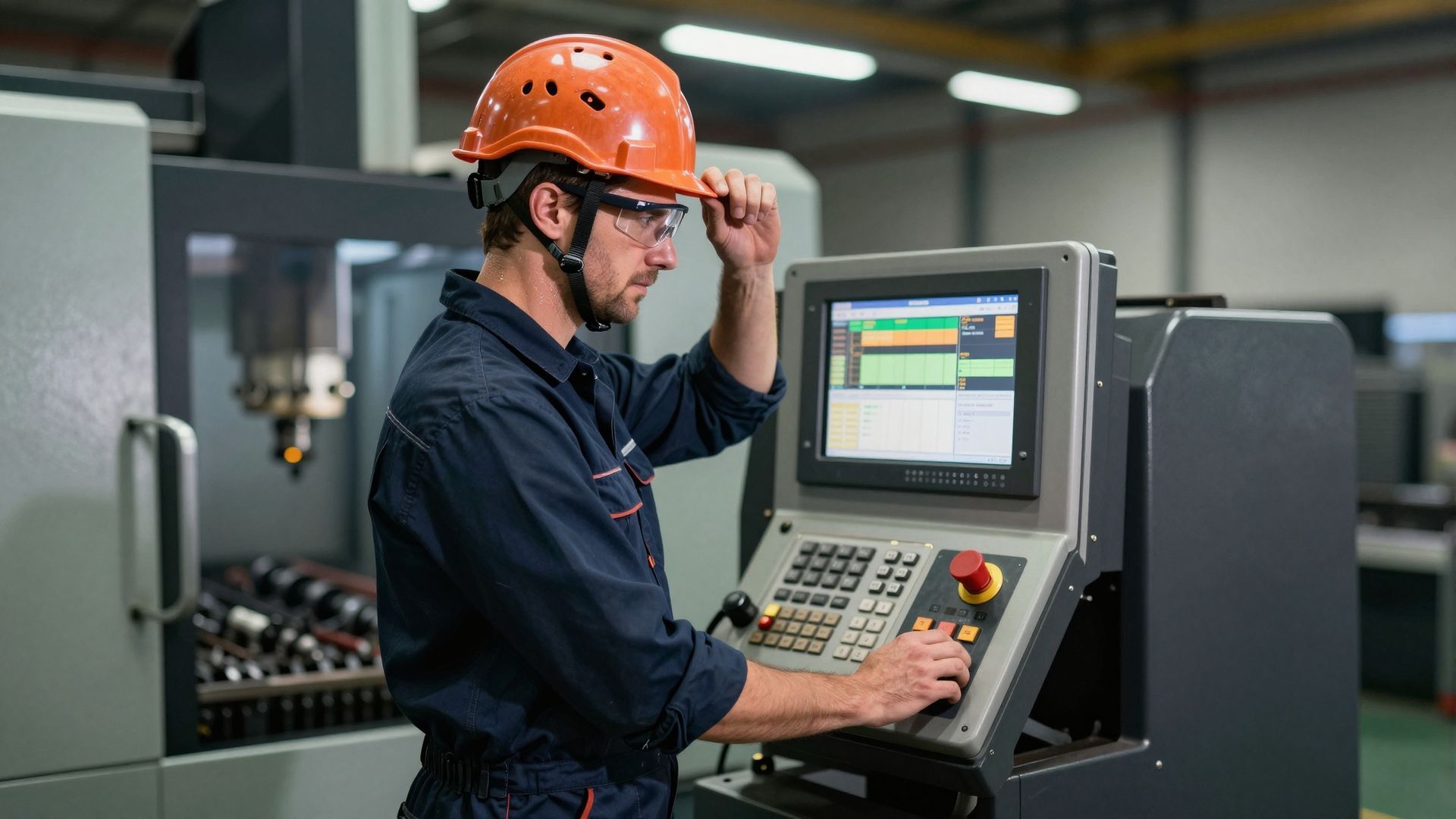
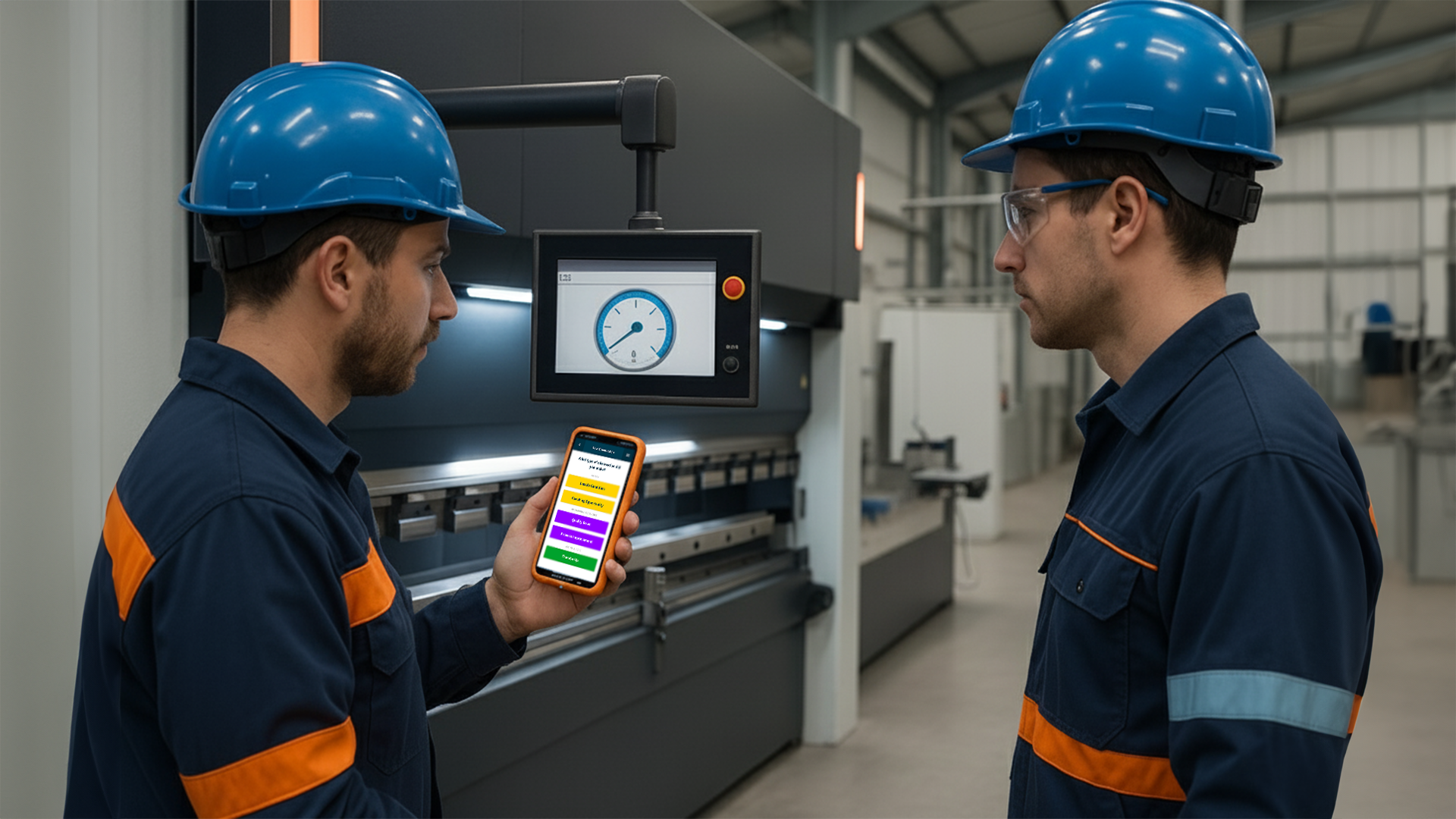
Autonomous Maintenance (AM) empowers operators to take ownership of routine maintenance tasks, such as cleaning, lubrication, and inspections. By decentralizing these activities, AM fosters a culture of accountability and early problem detection, ensuring that equipment operates at peak performance. This proactive approach reduces reliance on reactive maintenance and helps prevent costly breakdowns.
Key Benefits of Autonomous Maintenance:
- Reduced Downtime: Operators identify issues early, preventing unplanned stoppages
- Improved Equipment Lifespan: Routine care prevents excessive wear and damage
- Enhanced Safety: Proactive maintenance reduces risks associated with equipment failures
While Autonomous Maintenance (AM) focuses on empowering operators to perform daily care tasks, Planned Maintenance (PM) involves scheduled interventions by maintenance teams based on equipment condition and usage data. Together, these pillars of TPM create a balanced approach to reliability and efficiency.
Key Differences
- Autonomous Maintenance: Daily tasks like cleaning, inspections, and minor repairs performed by operators
- Planned Maintenance: Scheduled activities like part replacements and major repairs handled by maintenance teams
Real-Life Example: Aerospace Manufacturer in Spokane
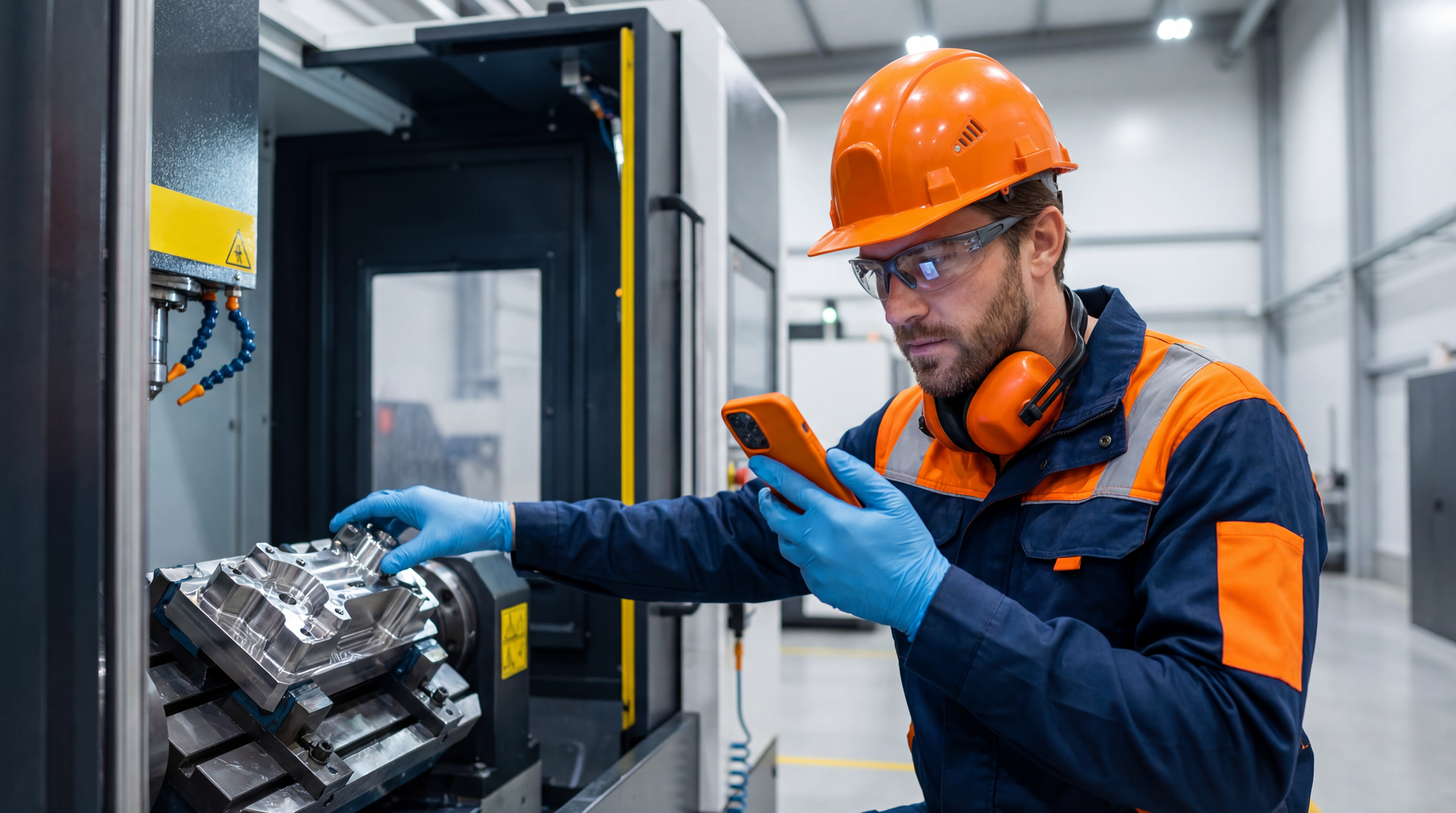
At an aerospace manufacturing facility in Spokane, Washington, a waterjet operator implemented Autonomous Maintenance principles to address irregular pressure levels during routine checks. Here’s how the process unfolded:
- Cleaning Abrasive Feed Lines: This prevented blockages that could have disrupted precision cutting
- Inspecting Seals for Wear: This ensured optimal machine performance
- Replacing a Worn Nozzle: This maintained cutting accuracy; critical for aerospace-grade components
- Documenting Findings: Photos were taken to streamline future inspections and improve nozzle replacement procedures
These actions not only maintained cutting precision but also prevented downtime that could have disrupted production schedules
The Transformative Impact of Autonomous Maintenance
Operations leaders in industries like aerospace and metal manufacturing are increasingly adopting AM initiatives due to their profound impact on reliability and productivity. According to the Kaizen Institute:
- Facilities implementing AM see up to a 40% reduction in equipment downtime
- Equipment lifespan increases by up to 50%, significantly lowering long-term costs
Moreover, AM fosters employee engagement by empowering operators with the skills and responsibility to maintain their machines effectively. This leads to higher morale, improved safety standards, and enhanced operational efficiency.
Driving Excellence with TPM
Autonomous Maintenance is not just about reducing downtime—it’s about transforming how manufacturers approach equipment care. By integrating AM into your TPM strategy, you can unlock new levels of reliability, safety, and productivity while fostering a culture of continuous improvement.
Learn More
For more insights into TPM strategies and their benefits, visit Lean Production’s TPM Framework
And that’s your Corvex Connected Workforce Quick Take!
Contact Corvex
Connect Your Workforce Today
Contact Us