The Role of Training in Autonomous Maintenance: Unlocking the Potential of TPM
Why Training Is Essential for Autonomous Maintenance
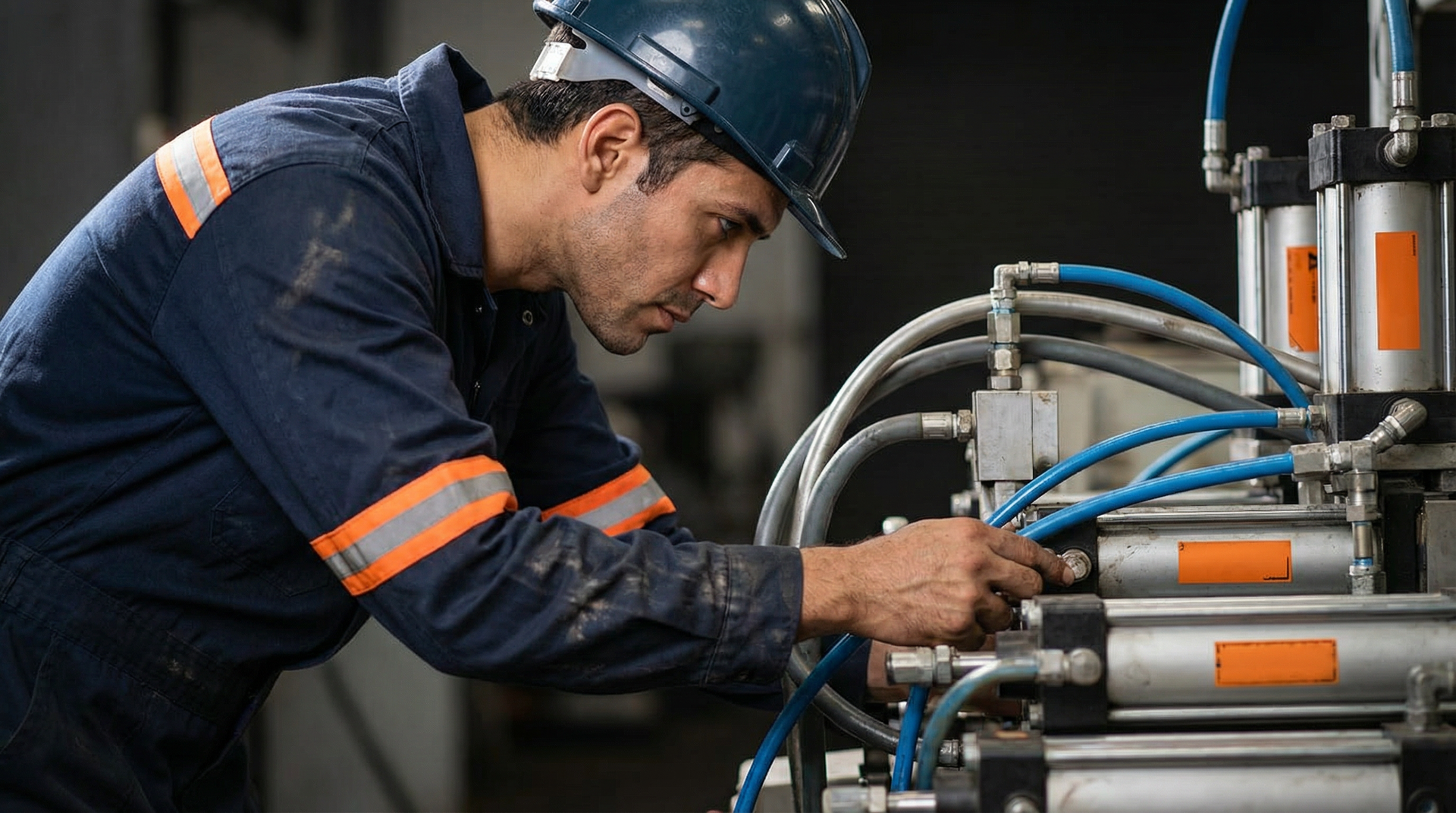
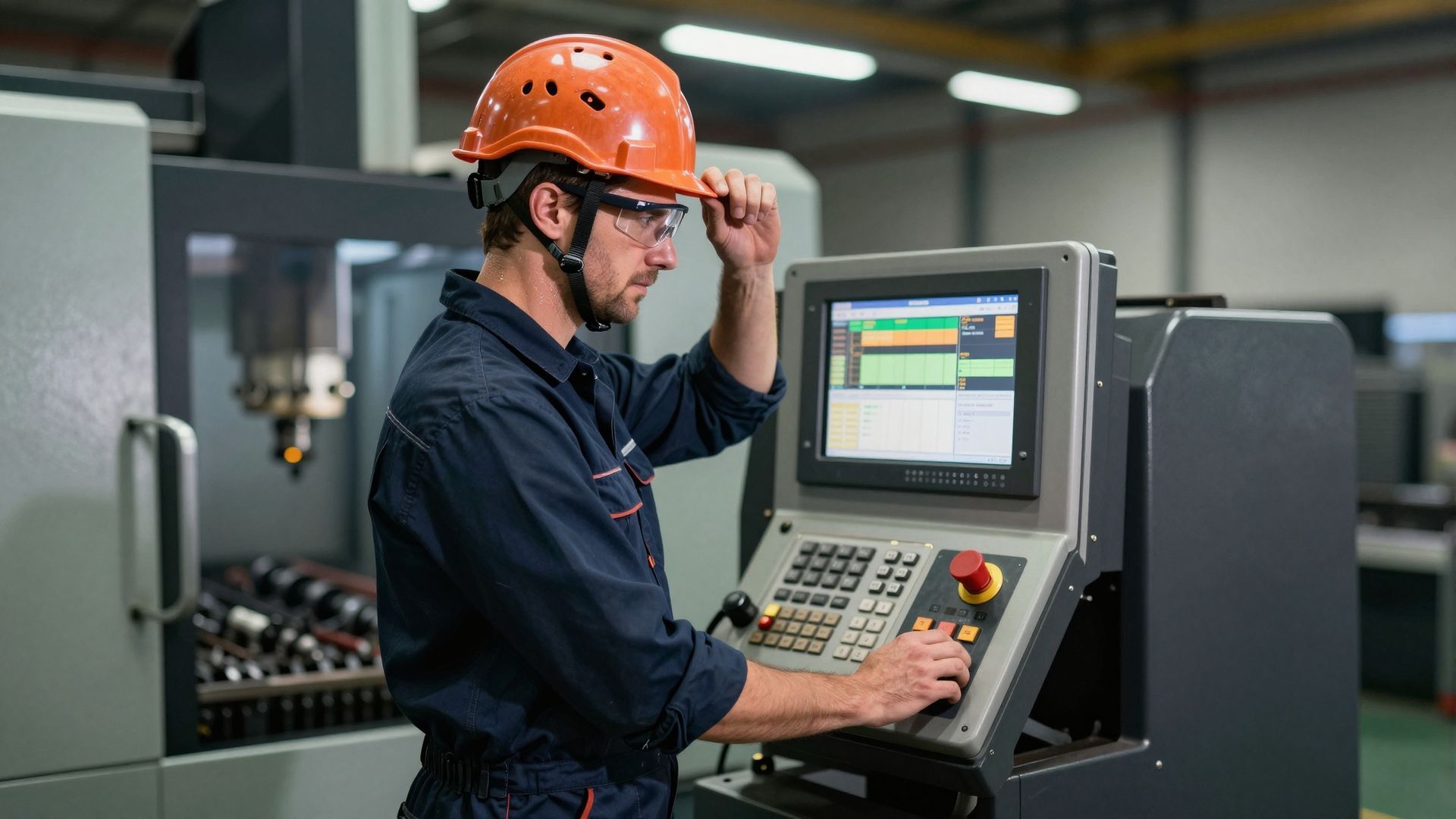
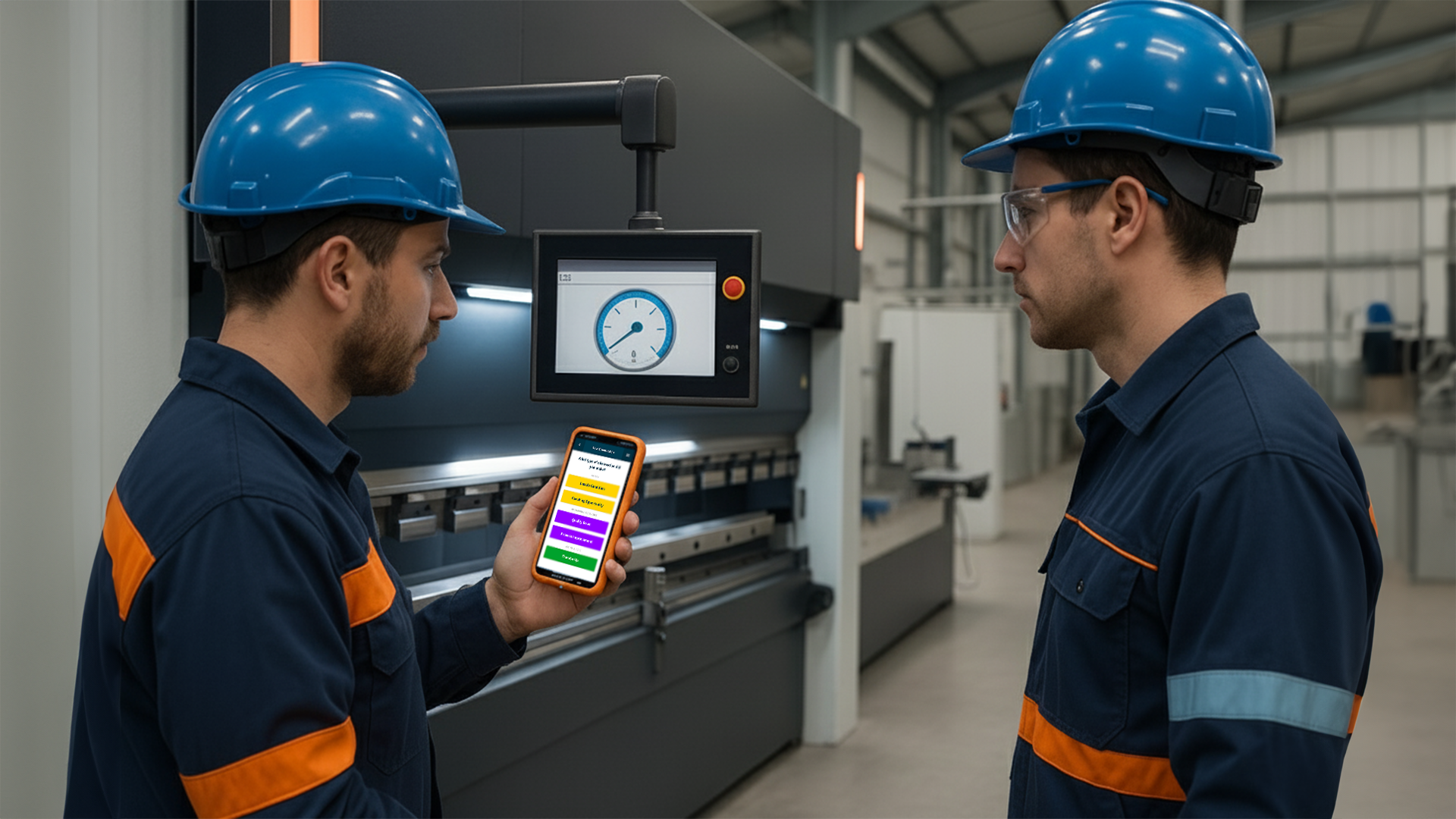
Proper training empowers operators to take ownership of equipment care, driving efficiency, safety, and reliability in manufacturing environments. Autonomous Maintenance (AM) equips operators with the skills needed to perform routine maintenance tasks such as cleaning, lubrication, inspections, and minor repairs. However, without proper training, operators may lack the confidence and technical knowledge required to identify issues or perform preventive tasks effectively.
Key Benefits of Training for AM
- Improved Equipment Reliability: Operators learn to detect abnormalities early, preventing breakdowns
- Enhanced Operator Confidence: Training instills a sense of ownership and responsibility
- Increased Efficiency: Plants implementing AM training see up to a 10–15% boost in overall efficiency
How Training Fits into Total Productive Maintenance (TPM)
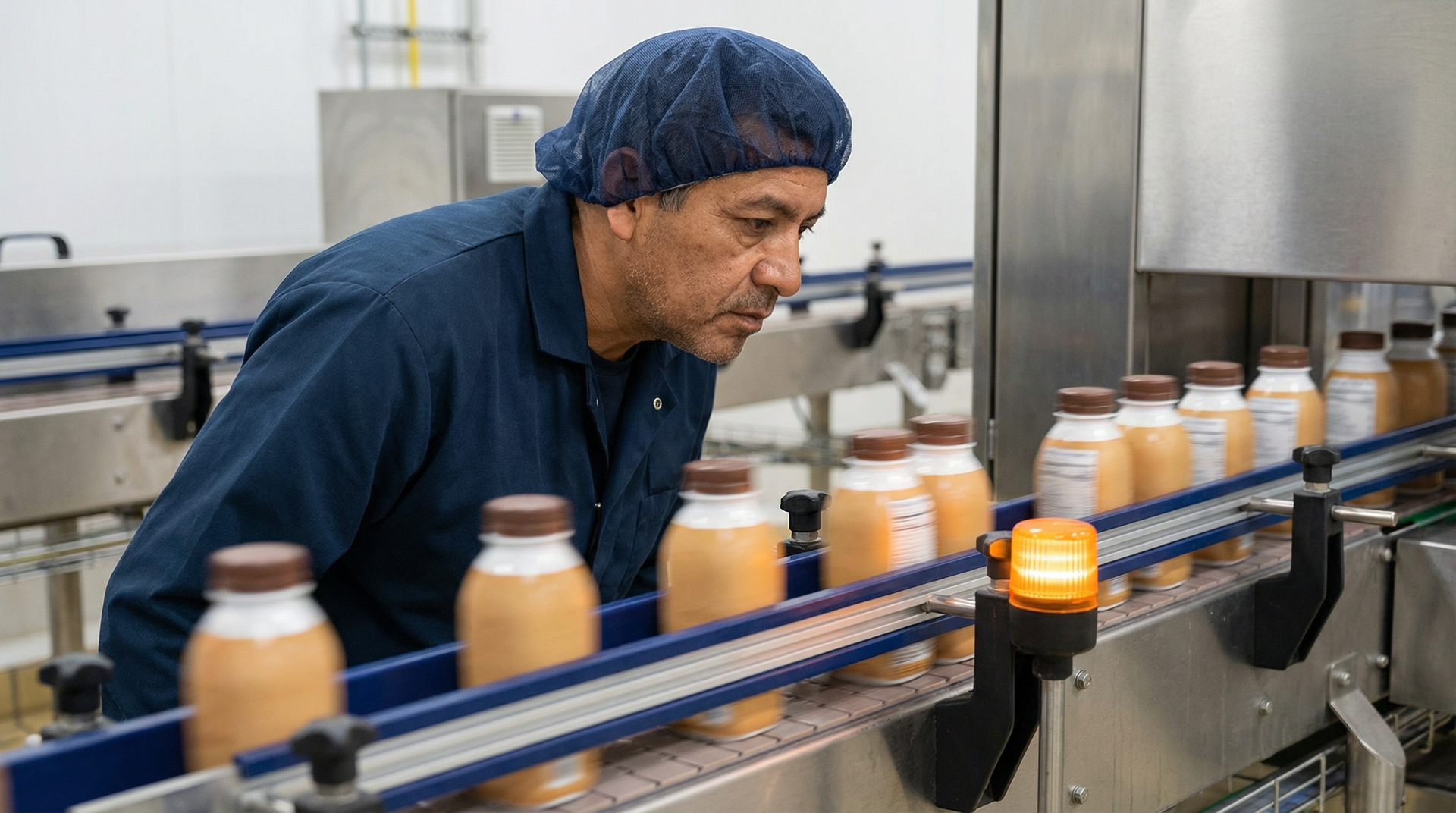
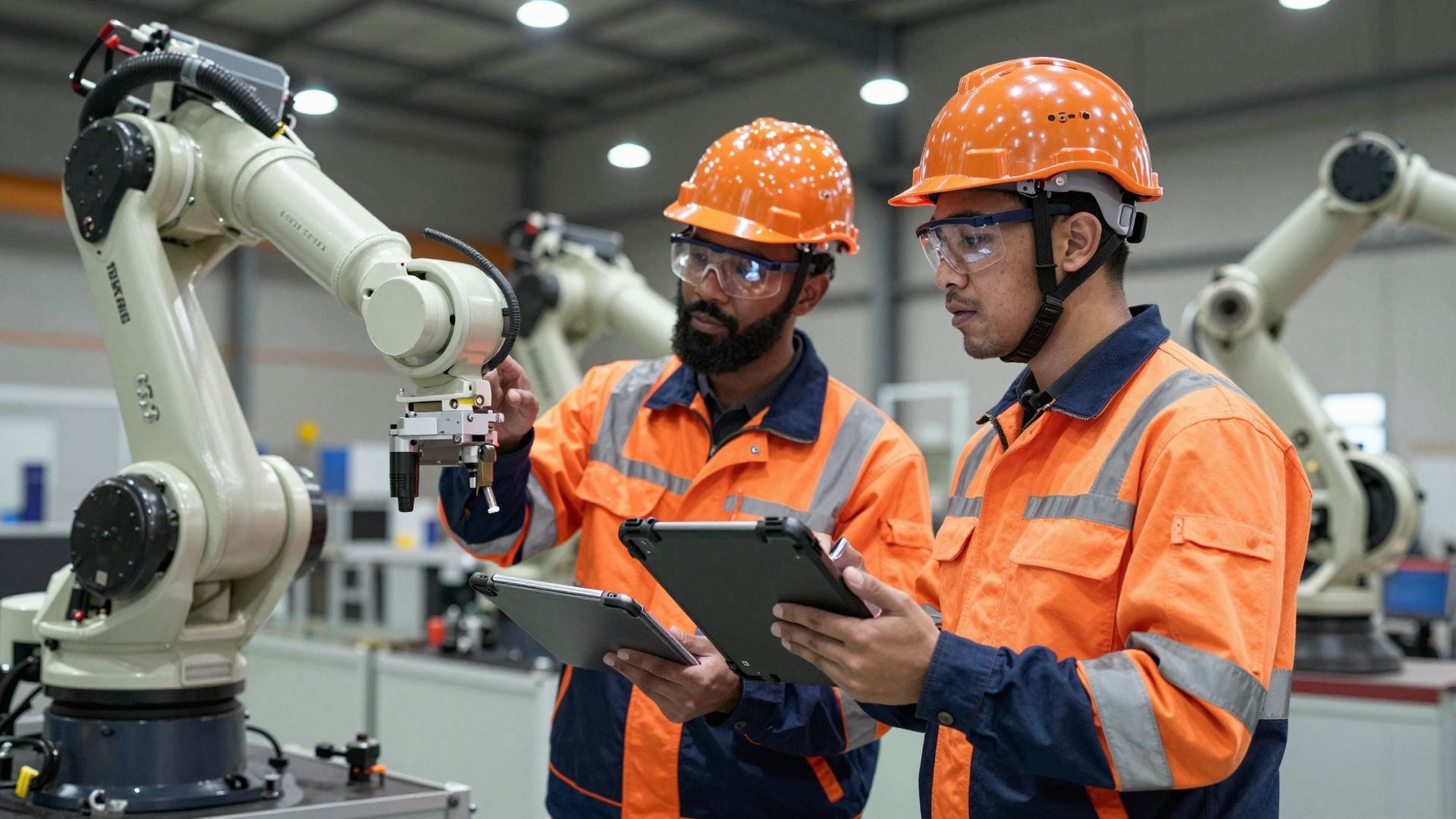
Training is one of the foundational elements of TPM and is essential for successful implementation of AM. It ensures operators understand their equipment deeply—its components, common issues, and troubleshooting procedures. This knowledge enables them to perform routine maintenance tasks confidently and proactively.
Key Skills Developed Through Training
1. Problem Detection: Operators learn to identify emerging issues before they escalate.
2. Technical Knowledge: Comprehensive understanding of machine components and their functions.
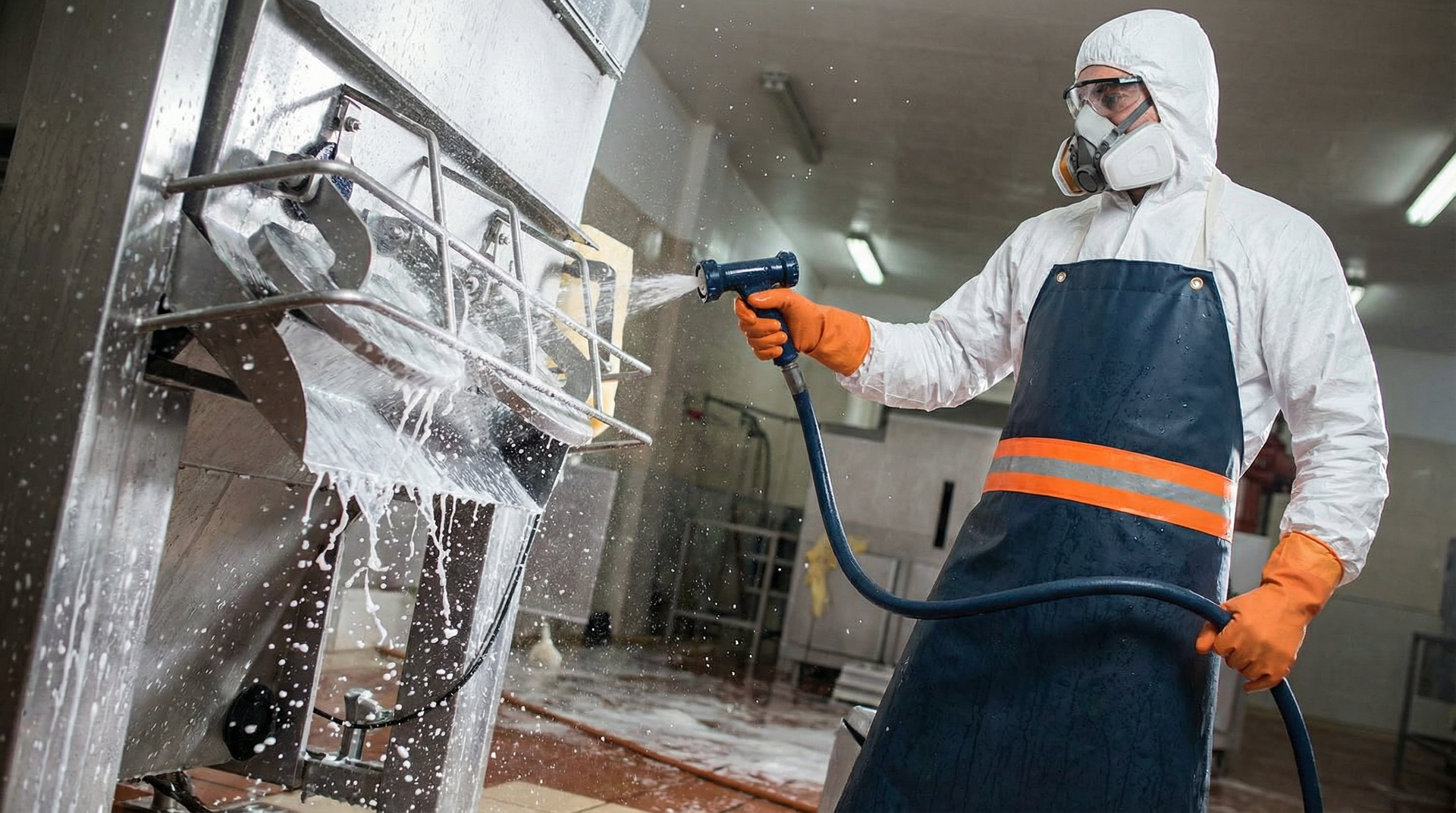
3. Maintenance Procedures: Proper cleaning, lubrication, and calibration techniques
Real-Life Example: Fabricated Plate Work Plant in Mobile
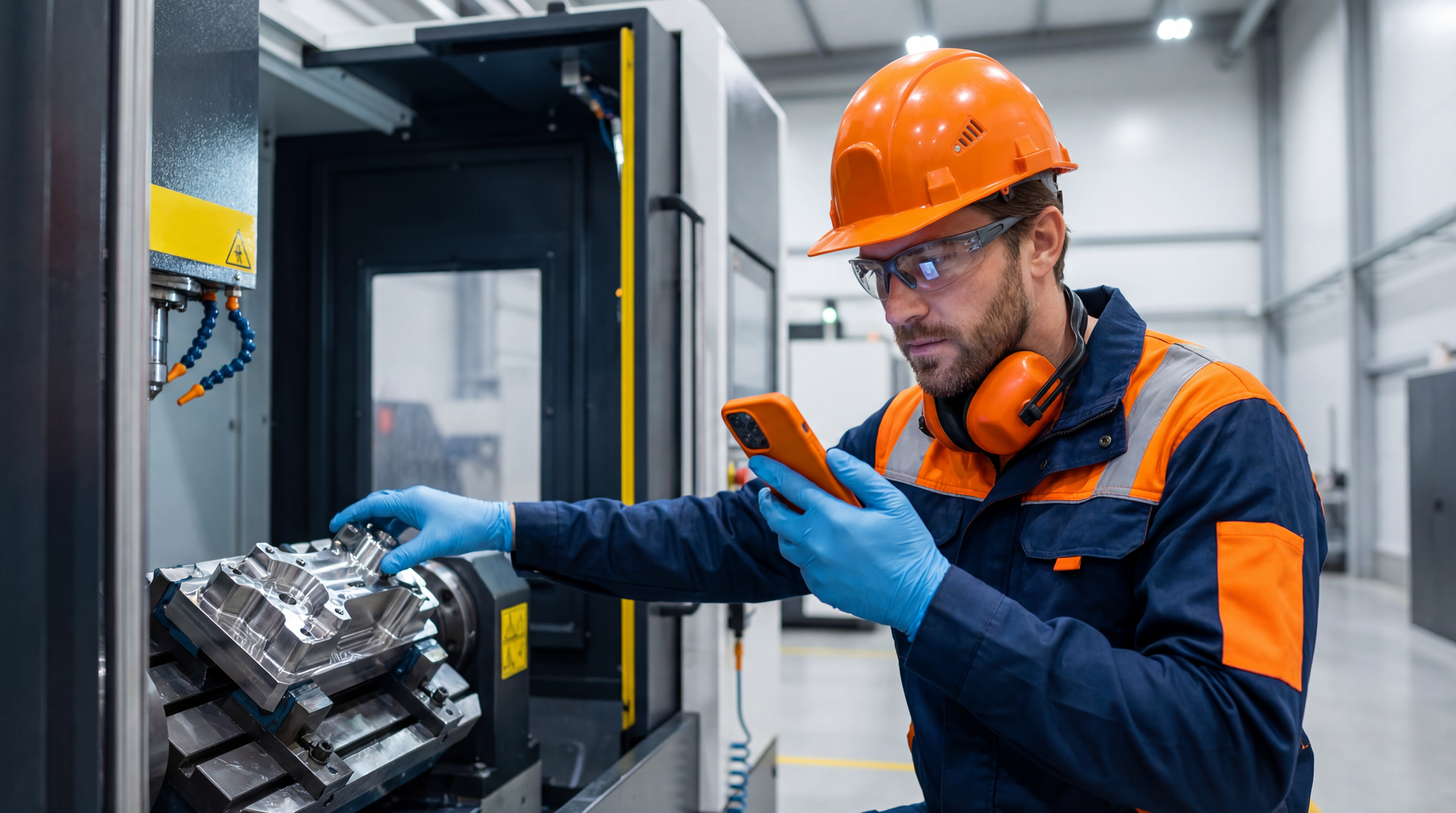
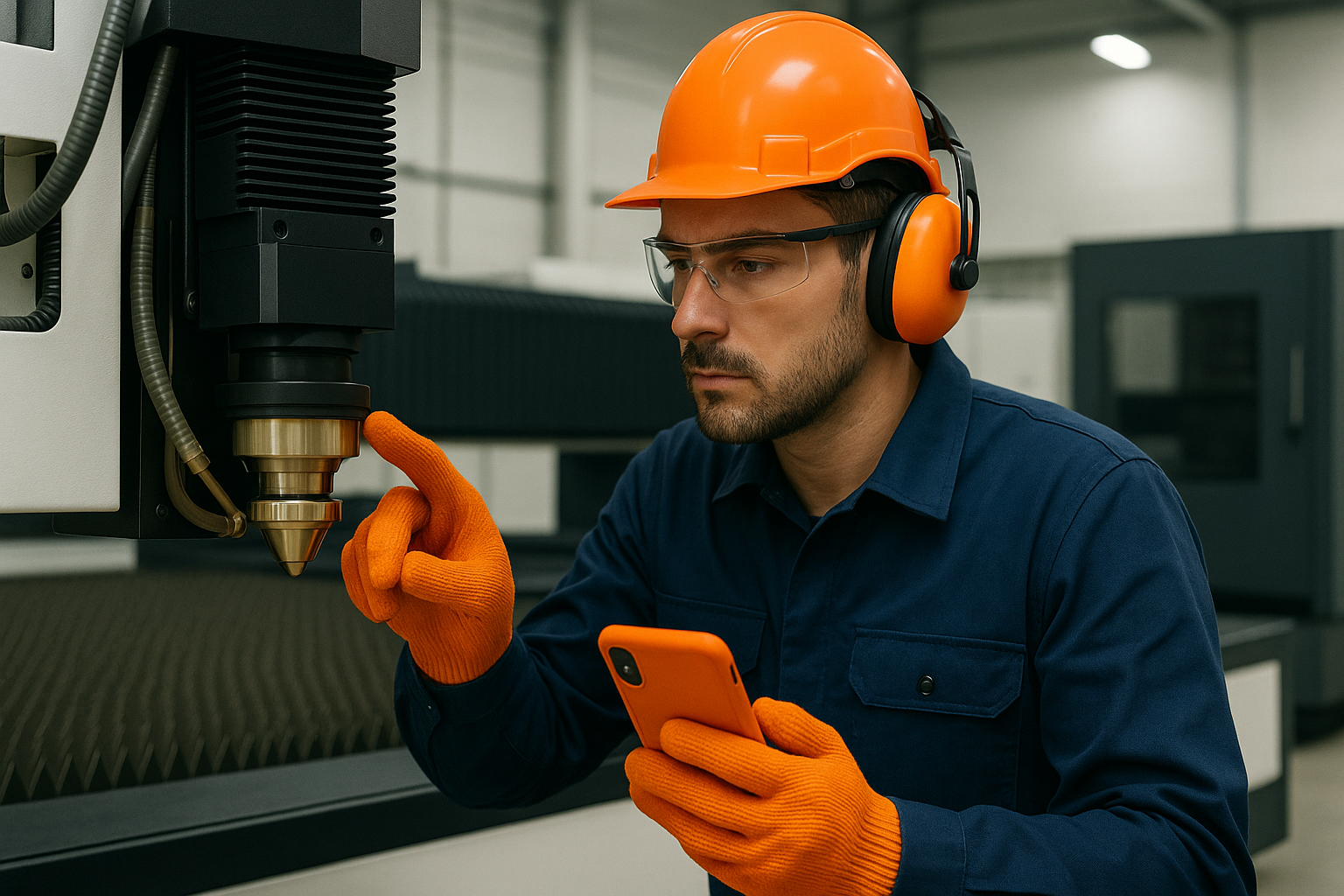
At a fabricated plate work plant in Mobile, Alabama, a plasma cutter operator noticed inconsistent cutting precision during routine AM checks. Here’s how targeted training helped resolve the issue:
- The operator identified worn consumables causing the problem
- She replaced the cutting nozzle and cleaned guide rails to remove debris buildup
- She recalibrated the system to restore cutting accuracy
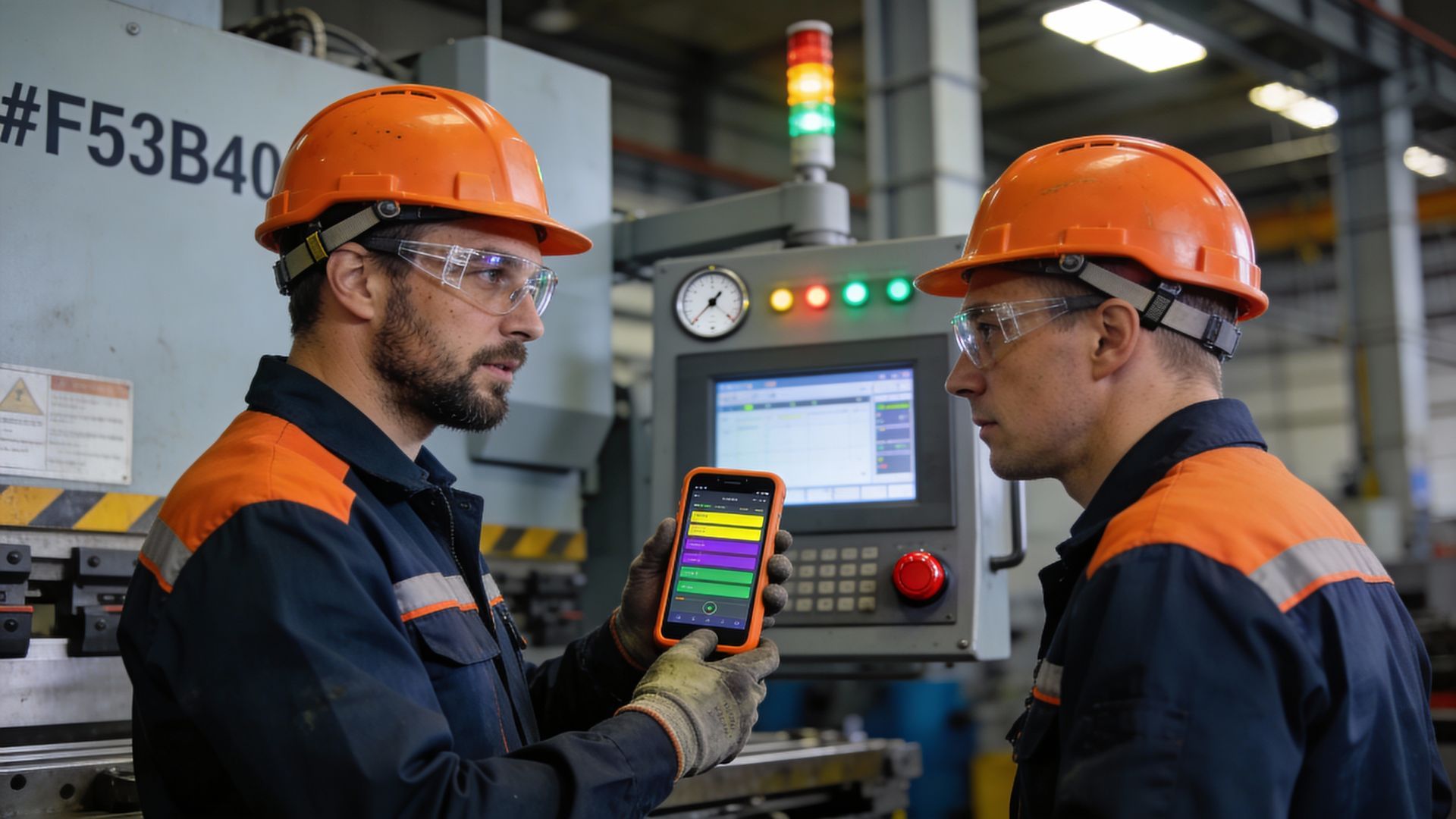
- Then she documented findings with photos and shared feedback with the maintenance team to refine inspection protocols
These actions prevented production delays and eliminated potential safety hazards like overheating caused by worn components.
The Transformative Impact of Autonomous Maintenance Training
Investing in operator training is not just an expense—it’s a necessity for effective AM programs. According to the Society for Maintenance and Reliability Professionals (SMRP):
- Facilities implementing AM training programs experience up to a 40% increase in asset lifespan
- Operators gain confidence, reducing reliance on reactive maintenance
Additionally, structured training programs foster a culture of continuous learning and improvement, ensuring operators stay updated with emerging technologies and best practices.
Closing Thoughts: Driving Excellence Through Training
Leaders in metal manufacturing understand that training is the cornerstone of successful Autonomous Maintenance programs. By equipping operators with the skills needed to maintain their equipment proactively, manufacturers can reduce downtime, improve reliability, and enhance workplace safety.
Learn More
For more insights into TPM strategies and their benefits, visit Lean Production’s TPM Framework
And that’s your Corvex Connected Workforce Quick Take!
Contact Corvex
Connect Your Workforce Today
Contact Us