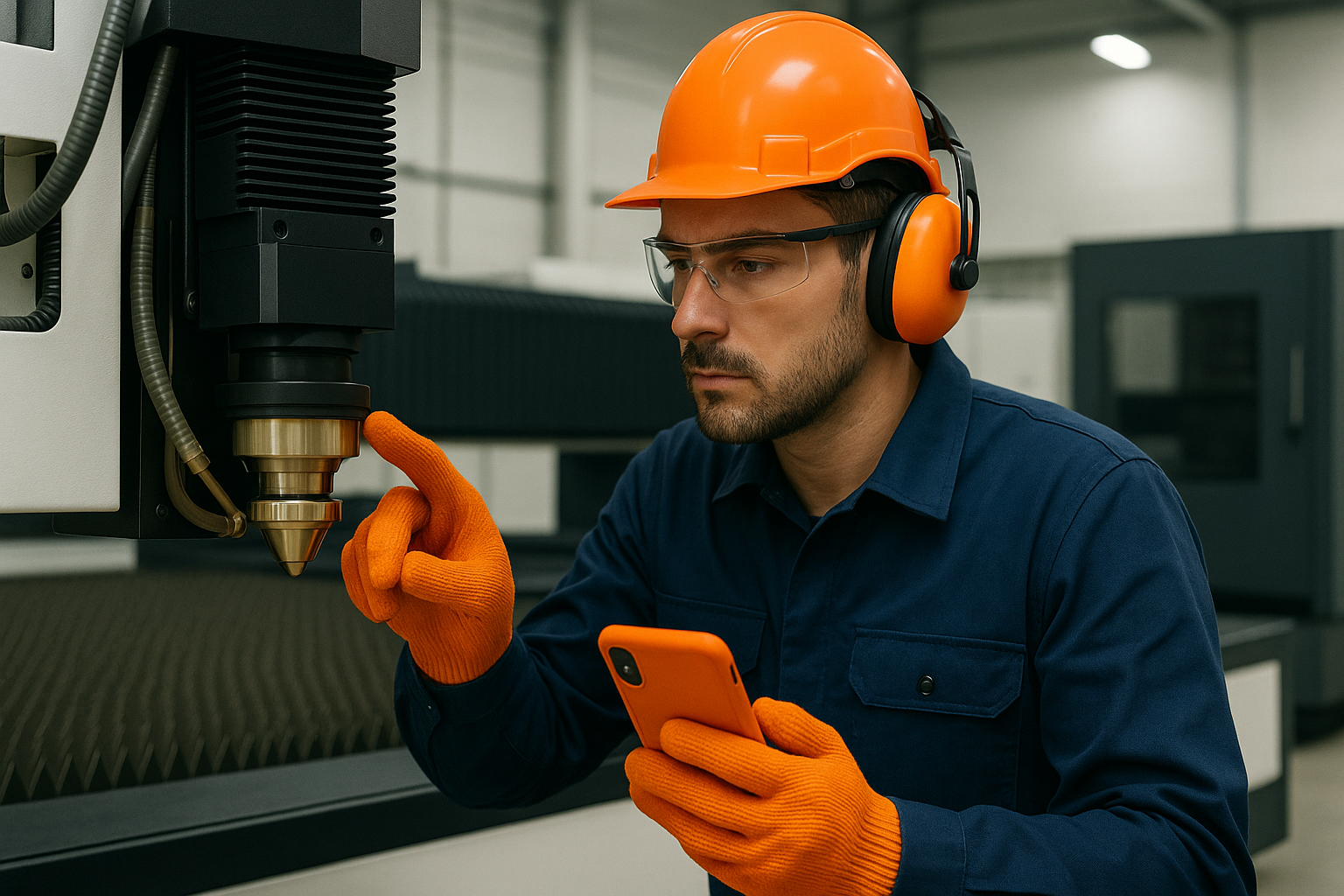
Daily Equipment Damage After Sanitation
Why Does Cleaning the Line Keeps Creating New Failures?
Every food processing plant depends on sanitation.
Without it, nothing else matters.
But many plants quietly accept something that shouldn’t be normal.
Equipment that runs fine before cleaning…
struggles after.
Fails hours later.
Or breaks down mid-shift with no obvious cause.
In this Corvex Quick Take, we look at what happens when sanitation and equipment reliability collide — and why some of the most disruptive failures on food processing lines actually begin during cleaning.
Sanitation-Induced Equipment Failures
Why Do Breakdowns Appear Hours or Days After Washdown?
The failure never happens during sanitation.
It shows up later.
A motor faults halfway through the run.
A sensor stops reading consistently.
A bearing heats up faster than normal.
A cabinet trips for no clear reason.
By then, sanitation is long gone from the conversation.
The failure gets treated as electrical.
Or mechanical.
Or just “bad luck.”
But when the same issues keep appearing after cleaning cycles, it’s rarely coincidence.
In many food plants, washdown doesn’t just remove contamination.
It quietly accelerates equipment deterioration.
Moisture migrates past seals.
Chemicals attack components not designed for the environment.
High-pressure spray forces water into places it doesn’t belong.
Parts are removed and reinstalled slightly differently each time.
None of this causes immediate failure.
That’s what makes it dangerous.
Total Productive Maintenance (TPM) challenges the assumption that sanitation damage is unavoidable. It treats post-cleaning failures as condition-based problems — not the cost of doing business.
Through Planned Maintenance, high-reliability plants define what equipment must withstand in real sanitation conditions. Components are selected, protected, and maintained based on exposure, not just runtime.
Early Equipment Management takes it further. Equipment is modified or specified to survive the actual cleaning process — not the one shown in the manual. But even well-designed equipment can fail if post-cleaning conditions aren’t controlled.
That’s where many plants struggle most.
Post-Sanitation Reassembly and Condition Loss
Why Does the Line Feel Less Stable After It’s Been Cleaned?
After sanitation, everything looks right.
Guards are back on.
Covers are closed.
The line starts.
But it doesn’t feel the same.
Operators notice it first.
A vibration that wasn’t there.
A sensor that needs extra attention.
A startup that takes longer than usual.
These are early warning signs — and they’re easy to miss.
Reassembly after cleaning is one of the most fragile moments in the life of food processing equipment. Slight misalignment. Improper torque. Seals not seated perfectly. Components stressed just enough to shorten their life.
Most plants don’t have a clear definition of what “normal condition” looks like after sanitation.
So small deviations stack up.
TPM addresses this through Autonomous Maintenance. Operators are trained not just to restart equipment, but to confirm critical conditions after cleaning — alignment, fasteners, seals, lubrication points, and basic functionality.
Still, these checks only matter if problems don’t disappear between shifts.
When the workforce is supported by technology that makes post-sanitation issues easy to capture and visible across teams, small condition losses don’t turn into delayed breakdowns.
And once sanitation-related damage is no longer invisible, another loss usually becomes obvious.
Equipment Designed to Run — Not to Be Cleaned
Why Does the Line Fight You After Every Washdown?
Many food processing lines were designed to produce product.
Not to survive daily chemical and water exposure.
The result is predictable.
Product traps that never fully dry.
Dead zones that collect moisture.
Components that require frequent tear-down just to keep running.
Operators compensate.
Maintenance adapts.
Sanitation works around the equipment.
Over time, instability becomes normal.
High-reliability food plants don’t accept this trade-off. Through Early Equipment Management, they treat cleanability and durability as performance requirements — not afterthoughts.
The goal isn’t just food safety compliance.
It’s equipment that returns to stable condition every time it’s cleaned.
Because when sanitation repeatedly damages equipment, production losses don’t show up as one big event.
They show up as slower starts.
More adjustments.
More “mystery” failures. And days that never quite hit plan.
If you want to understand how sanitation, reassembly, and equipment design quietly erode capacity on food processing lines, request:
The 7 Hidden Line Losses in Food Processing — and How High-Reliability Plants Eliminate Them
It outlines the losses that occur between cleaning cycles, why they repeat, and how top food plants remove them without compromising safety.
The question isn’t whether sanitation is affecting your equipment.
It’s whether the damage is being controlled — or quietly accepted.
And that’s your Corvex Connected Workforce Quick Take!
Contact Corvex
Connect Your Workforce Today
Contact Us