Daily Production Losses Inside Food Processing Plants
Why Does Output Get Disrupted on the Manufacturing Line — Even When Equipment Is Running?
Every food processing plant feels the same pressure.
More volume. Tighter margins. Shorter shelf life. Zero tolerance for mistakes.
And yet, most days don’t fall apart because of one major failure.
They erode slowly. Quietly. One interruption at a time.
In this Corvex Quick Take, we look at the production losses food processors feel every shift — the ones that make it seem like you’re always behind, even when the line is technically “running.”
Unplanned Equipment Failures in Food Processing
Why Do the Same “Surprise” Breakdowns Keep Stopping the Line?
The worst downtime in a food plant isn’t the failure everyone saw coming. It’s the stop that feels random.
The filler that ran all week.
The sealer that was “fine” last shift.
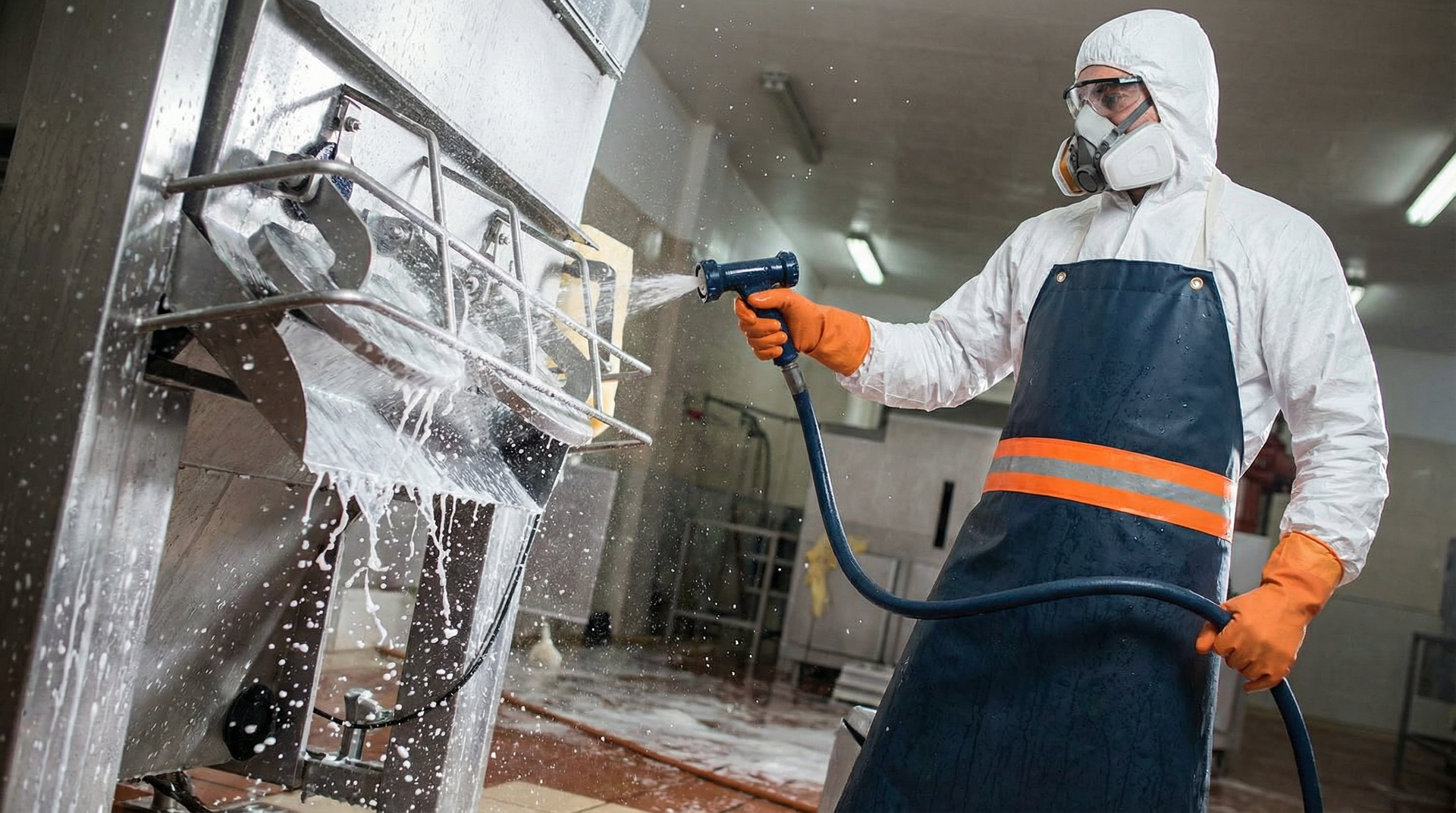
The conveyor that made it through sanitation.
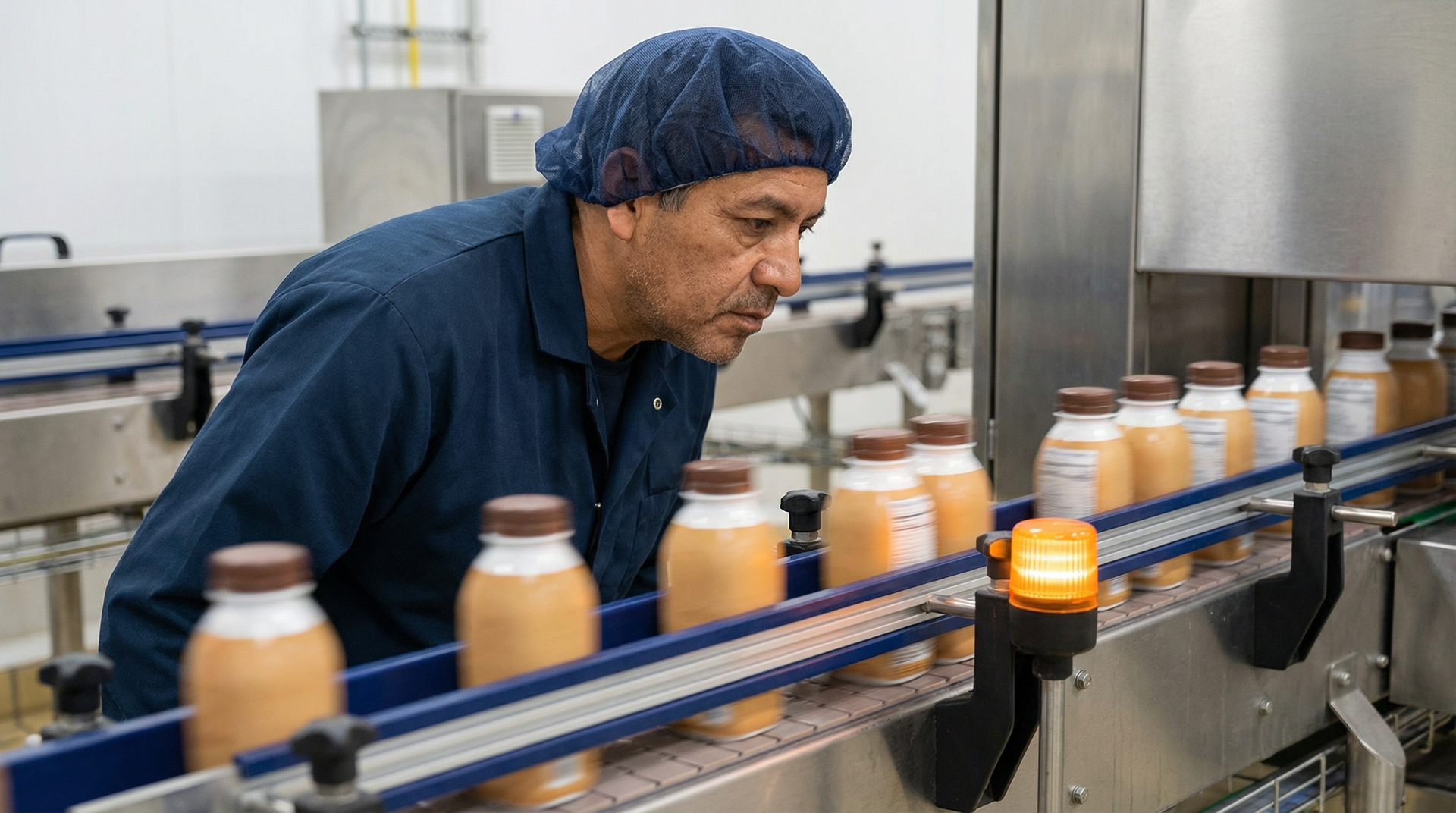
Then suddenly — alarms. Product backed up. QA holding material. Maintenance rushing in while production asks, “How long?”
And what makes it worse?
You’ve seen this failure before.
Same machine.
Same component.
Same environment.
It got fixed — just not fixed fixed.
Most food plants don’t struggle because equipment breaks. They struggle because the same breakdowns keep returning, disguised as surprises.
This is where many processors start to realize the issue isn’t the repair. It’s how failures are being understood in the first place.
Total Productive Maintenance (TPM) starts by rejecting the idea that breakdowns in food plants are random or “just part of washdown.” Repeat failures are treated as signals — evidence that specific conditions are degrading and no one is controlling them tightly enough.
Through Planned Maintenance, teams stop replacing parts blindly and start defining what actually causes failure in food environments: moisture intrusion, chemical exposure, misalignment, seal damage, wear accelerated by cleaning, and improper reassembly.
Focused Improvement then targets the failures that return again and again. The goal isn’t faster response — it’s permanent removal of the cause.
But even the best maintenance strategy breaks down if early warning signs never get captured.
In many food plants, those signals live in someone’s head.
A vibration after sanitation.
A sensor that’s slower than it used to be.
A seal that “needs watching.”
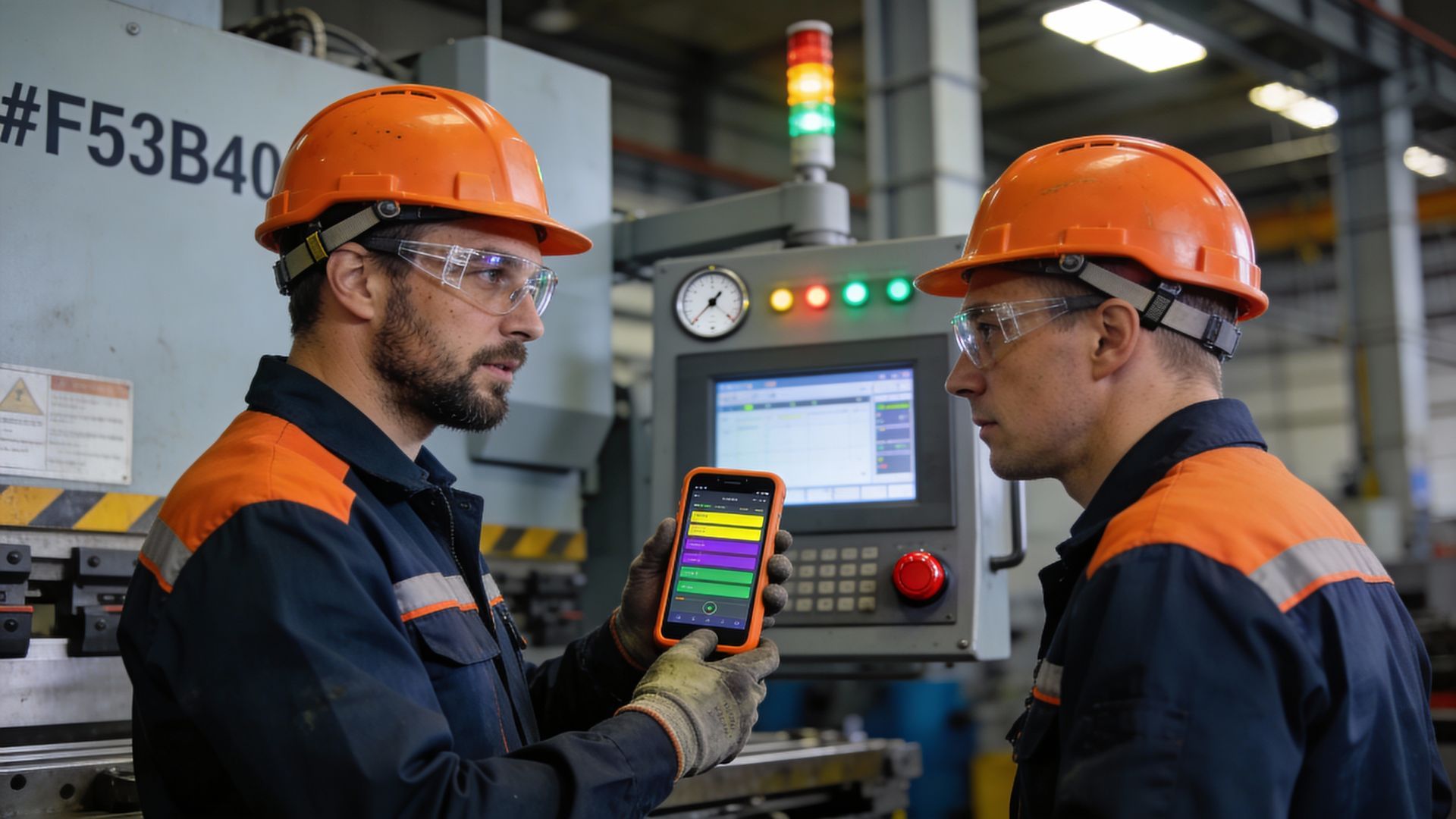
With the right workforce technology in place, those signals don’t disappear between shifts. Conditions that lead to repeat failures get captured, shared, and addressed before they turn into another unplanned stop.
Once unplanned downtime is no longer treated as random, another hidden loss usually becomes impossible to ignore.
Chronic Micro-Stops on Food Processing Lines
How Do Small Interruptions Quietly Drain Capacity Every Shift?
If you walked your line with a stopwatch, you’d see it.
The photo eye that needs wiping.
The product that bridges at the infeed.
The seal that fails once, then again.
The reset button that gets pressed five… ten… twenty times a shift.
None of it feels serious enough to log.
None of it feels worth a maintenance call.
So it disappears — into the gray space between “running” and “down.”
But here’s the uncomfortable truth:
Those small interruptions steal more production than major breakdowns ever will.
This is where many food processors realize their biggest losses aren’t dramatic.
They’re habitual.
TPM treats minor stops as real losses, not background noise. Through Autonomous Maintenance, operators are trained to clean, inspect, and recognize abnormal conditions as part of daily work — before those issues turn into downtime, scrap, or quality holds.
Still, small problems only get solved when they’re consistently visible.
When the workforce is supported by technology that makes minor stops easy to capture and impossible to ignore, micro-stops stop slipping through the cracks. What used to feel like “just how the line runs” becomes something that can finally be addressed.
And once those small losses are exposed, another pattern usually becomes clear.
Most food plants don’t realize how much output is being lost while equipment is technically running.
They feel it — in constant interruptions, unstable flow, and days that never quite hit plan — but the causes stay fragmented and hard to pin down.
If you want to see where production is quietly being disrupted across each shift, request:
The 7 Hidden Line Losses in Food Processing — and How High-Reliability Plants Eliminate Them
It outlines the losses that hide between downtime events, why they repeat, and how top food plants make them visible before they compound.
The question isn’t whether these disruptions are happening in your plant.
It’s whether you’re ready to stop treating them as unavoidable.
And that’s your Corvex Connected Workforce Quick Take!
Contact Corvex
Connect Your Workforce Today
Contact Us